
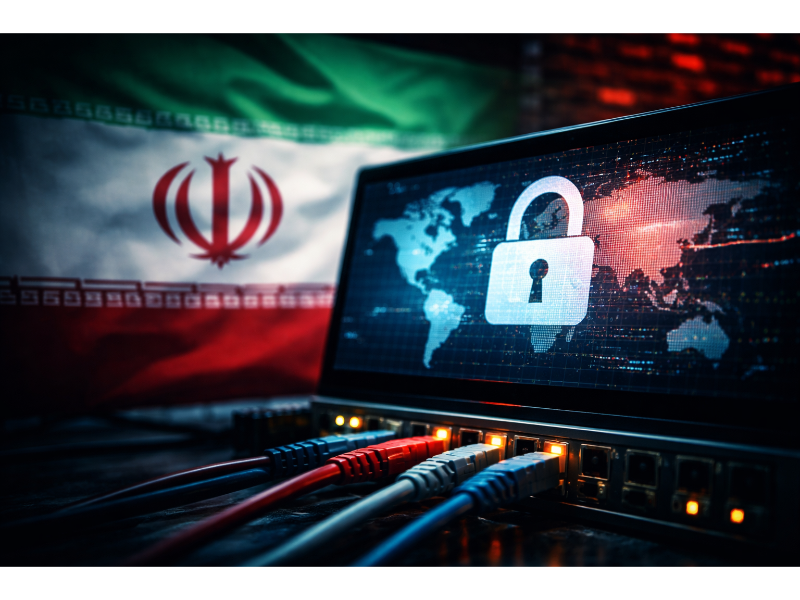
- Iran’s authorities may lift the nationwide internet ban imposed amid protests, introducing heavily filtered access and partial connectivity.
- The shift suggests a change in digital control strategy, from blanket outages to more precise, managed censorship—raising concerns about long‑term surveillance.
What happened: near-total blackout in Iran amid nationwide unrest
Iran has imposed one of its most extensive internet shutdowns since 8 January 2026, cutting off most citizens from online platforms and global connectivity as authorities moved to suppress widespread anti‑government protests triggered by economic grievances and violent crackdowns. The shutdown has extended across key urban areas, including Tehran, Isfahan, and Shiraz, leaving ordinary users largely disconnected while selective domestic systems remain partially functional.
In recent days, officials signaled a possible easing of the blackout, indicating that internet services could gradually resume once ‘security conditions are appropriate.’ A senior parliamentary figure said that some connectivity had already returned in a strongly filtered form, described by analysts as a ‘filternet’—a controlled, restricted version of the web that allows only pre‑approved content to pass through. This information was reported by The Guardian in their coverage of the situation.
Meanwhile, digital rights groups report plans to shift towards a more permanent, highly controlled digital regime, whereby only vetted individuals or institutions may access the broader internet while the majority remains confined to the state‑approved national network. Activists warn this could represent a fundamental change in how Tehran exerts control over information flows.
Also read: Iran internet blackout deepens unrest as economic protests spread across country
Also read: Israel–Iran war drives Middle East digital shift
Why it’s important
The shift in strategy—from an outright blackout to targeted, managed access—signals a broader trend in digital control. Full internet shutdowns, while effective for immediate suppression of communication, are visible and costly: they disrupt economic activity, hinder essential services, and generate international condemnation. Analysts estimate that previous nationwide blackouts in Iran inflicted massive economic losses, with recent outages potentially costing tens of millions of dollars each day.
The recent shift may indicate that the authorities feel the situation has stabilized to a certain extent, as they begin to ease the restrictions. Precision‑level governance, such as the ‘filternet’ model, allows authorities to retain some connectivity for state media and critical infrastructure while continuing to restrict dissenting voices and block independent information channels. Such approaches mirror tactics seen in other restrictive regimes, where granular filtering, whitelisting, and surveillance replace blunter instruments of control. Critics argue this form of digital governance may be more sustainable and insidious than complete shutdowns, as it embeds censorship into everyday online activity without totally cutting citizens off.
However, this move also raises questions about long‑term impacts on freedom of expression and privacy in Iran. Even as authorities emphasize security concerns, digital rights advocates warn that precision restrictions could entrench systems of surveillance and limit access to global information long after immediate protests subside. The evolution from blanket blackout to managed connectivity underscores how state actors are refining their control strategies, potentially changing the future of internet governance in repressive regimes.
