
Close Menu
  • Leadership Alliance
  • Exclusives
  • History of the Internet
  • AFRINIC News
  • Internet Governance
    • Regulations
    • Governance Bodies
    • Emerging Tech
  • Others
    • IT Infrastructure
      • Networking
      • Cloud
      • Data Centres
    • Company Stories
      • Profile
      • Startups
      • Tech Titans
      • Partner Content
    • Fintech
      • Blockchain
      • Payments
      • Regulations
    • Tech Trends
      • AI
      • AR / VR
      • IoT
    • Video / Podcast
  • Country News
    • Africa
    • Asia Pacific
    • North America
    • Lat Am/Caribbean
    • Europe/Middle East
Facebook LinkedIn YouTube Instagram X (Twitter)
Blue Tech Wave Media
Facebook LinkedIn YouTube Instagram X (Twitter)
  • Leadership Alliance
  • Exclusives
  • History of the Internet
  • AFRINIC News
  • Internet Governance
    • Regulation
    • Governance Bodies
    • Emerging Tech
  • Others
    • IT Infrastructure
      • Networking
      • Cloud
      • Data Centres
    • Company Stories
      • Profiles
      • Startups
      • Tech Titans
      • Partner Content
    • Fintech
      • Blockchain
      • Payments
      • Regulation
    • Tech Trends
      • AI
      • AR/VR
      • IoT
    • Video / Podcast
  • Africa
  • Asia-Pacific
  • North America
  • Lat Am/Caribbean
  • Europe/Middle East
Blue Tech Wave Media
Home » India proposes new smartphone security rules
india-proposes-new-smartphone-security-rules
Africa

India proposes new smartphone security rules

By Jessi WuJanuary 12, 2026No Comments3 Mins Read
Share
Facebook Twitter LinkedIn Pinterest Email
  • The Indian government has outlined draft regulations that would obligate smartphone manufacturers to provide source code access and implement a suite of security measures.
  • Major global vendors have privately raised concerns that the proposals lack precedent and could expose proprietary technology, while officials say consultations continue.

What happened: New Delhi’s draft plan would compel source code sharing

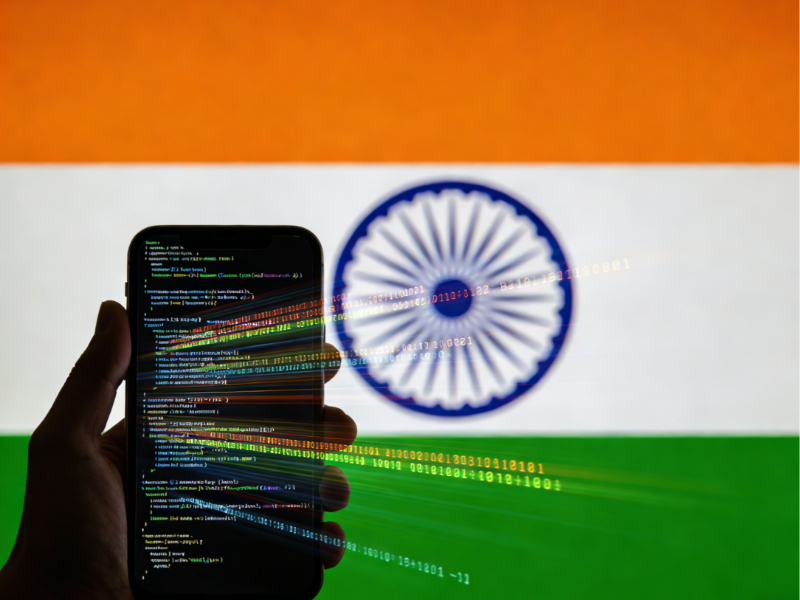
India has put forward draft smartphone security rules that, if enacted, would require device makers to share their proprietary source code with government-designated labs as part of a major security overhaul. The proposals are intended to strengthen protections for user data in the world’s second-largest smartphone market, where nearly 750 million handsets are active and online fraud and breaches have risen.

According to sources familiar with the matter and internal documents reviewed by Reuters, the 83-point regulatory package would not only include source code access but several other stringent software requirements. These include mandatory notification to authorities of major software updates before release, automatic malware scanning on devices, and controls to prevent apps from accessing cameras and microphones in the background without explicit permission.

The draft standards are part of the so-called Indian Telecom Security Assurance Requirements, which have been discussed with leading phone makers including Apple, Samsung, Google and Xiaomi. Industry representatives have told officials that forcing source code disclosure is unprecedented globally and could risk revealing commercially sensitive information. They also cited concerns that requirements such as on-device malware scanning could negatively affect battery life and device performance.

India’s IT Secretary, S. Krishnan, acknowledged that industry concerns would be addressed with an open mind and noted that it was premature to make definitive interpretations of the plans. Government consultations with manufacturers are ongoing as regulators weigh how to balance security goals with commercial practicality.

Also Read: Optus CTO departs after critical 000 emergency call report
Also Read: UK turns to Google for public sector AI delivery

Why it’s important

If adopted, these proposals would mark one of the most robust smartphone-specific regulatory regimes globally, raising complex questions about intellectual property, platform security and government access to commercial technology. Smartphone source code forms the foundation of operating systems and user experiences, and manufacturers guard it as proprietary. Even historically, firms such as Apple have resisted similar demands from other governments.

The move underscores the growing emphasis by national regulators on device-level cybersecurity and data protection in an era of ubiquitous mobile connectivity. It also highlights tensions between security aspirations and the commercial imperatives of global tech companies. How India navigates these competing priorities could influence similar regulatory debates in other large markets.

ITSAR
Jessi Wu

Jessi is an intern reporter at BTW Media, having studied fintech at the University of New South Wales. She specialises in blockchain and cryptocurrency. Contact her at j.wu@btw.media.

Related Posts

The impact of IPv4 scarcity on small business growth

January 15, 2026

Historic price trends of the /24 IPv4 block reveal market maturity and volatility

January 15, 2026

IP Capital: How to lease unused IP address blocks for revenue

January 15, 2026
Add A Comment
Leave A Reply Cancel Reply

CATEGORIES
Archives
  • January 2026
  • December 2025
  • November 2025
  • October 2025
  • September 2025
  • August 2025
  • July 2025
  • June 2025
  • May 2025
  • April 2025
  • March 2025
  • February 2025
  • January 2025
  • December 2024
  • November 2024
  • October 2024
  • September 2024
  • August 2024
  • July 2024
  • June 2024
  • May 2024
  • April 2024
  • March 2024
  • February 2024
  • January 2024
  • December 2023
  • November 2023
  • October 2023
  • September 2023
  • August 2023
  • July 2023

Blue Tech Wave (BTW.Media) is a future-facing tech media brand delivering sharp insights, trendspotting, and bold storytelling across digital, social, and video. We translate complexity into clarity—so you’re always ahead of the curve.

BTW
  • About BTW
  • Contact Us
  • Join Our Team
  • About AFRINIC
  • History of the Internet
TERMS
  • Privacy Policy
  • Cookie Policy
  • Terms of Use
Facebook X (Twitter) Instagram YouTube LinkedIn
BTW.MEDIA is proudly owned by LARUS Ltd.

Type above and press Enter to search. Press Esc to cancel.