
Close Menu
  • Home
  • Leadership Alliance
  • Exclusives
  • History of the Internet
  • AFRINIC News
  • Internet Governance
    • Regulations
    • Governance Bodies
    • Emerging Tech
  • Others
    • IT Infrastructure
      • Networking
      • Cloud
      • Data Centres
    • Company Stories
      • Profile
      • Startups
      • Tech Titans
      • Partner Content
    • Fintech
      • Blockchain
      • Payments
      • Regulations
    • Tech Trends
      • AI
      • AR / VR
      • IoT
    • Video / Podcast
  • Country News
    • Africa
    • Asia Pacific
    • North America
    • Lat Am/Caribbean
    • Europe/Middle East
Facebook LinkedIn YouTube Instagram X (Twitter)
Blue Tech Wave Media
Facebook LinkedIn YouTube Instagram X (Twitter)
  • Home
  • Leadership Alliance
  • Exclusives
  • History of the Internet
  • AFRINIC News
  • Internet Governance
    • Regulation
    • Governance Bodies
    • Emerging Tech
  • Others
    • IT Infrastructure
      • Networking
      • Cloud
      • Data Centres
    • Company Stories
      • Profiles
      • Startups
      • Tech Titans
      • Partner Content
    • Fintech
      • Blockchain
      • Payments
      • Regulation
    • Tech Trends
      • AI
      • AR/VR
      • IoT
    • Video / Podcast
  • Africa
  • Asia-Pacific
  • North America
  • Lat Am/Caribbean
  • Europe/Middle East
Blue Tech Wave Media
Home » US clears Nvidia chip exports to China: A volatile turn in global AI supply
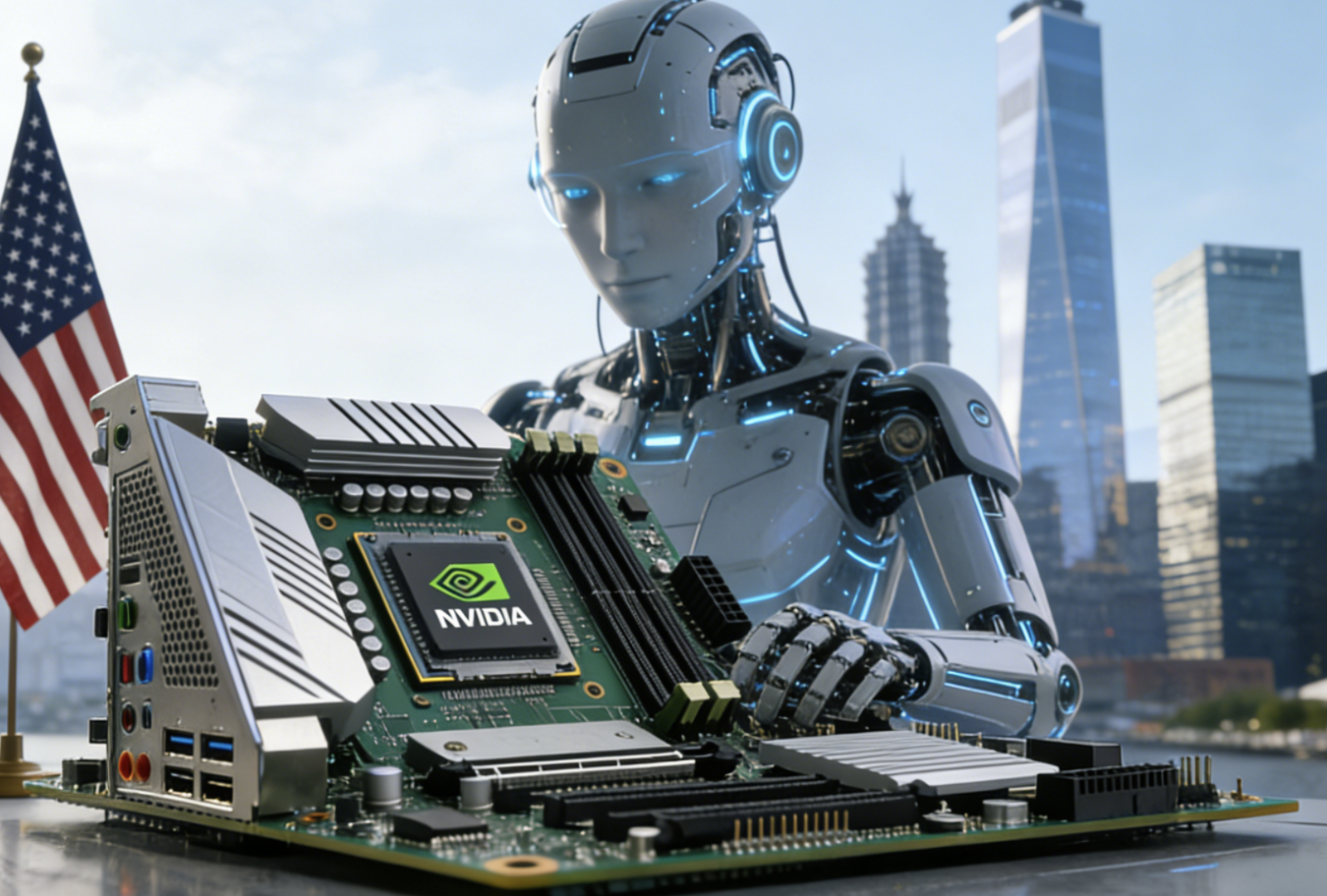
Conceptual graphic depicting the US government’s approval of Nvidia chip exports to China
AI

US clears Nvidia chip exports to China: A volatile turn in global AI supply

By Jessica liuDecember 10, 2025No Comments3 Mins Read
Share
Facebook Twitter LinkedIn Pinterest Email
  • The decision allows Nvidia to resume H200 chip shipments to approved Chinese customers under strict conditions, lifting part of prior export bans.
  • Critics warn that wider AI-chip access could strengthen strategic competitors, undermine US technological dominance, and destabilise global supply dynamics.

What happened: US lifts ban on Nvidia H200 AI chip sales to China

On 8 December 2025, US President Donald Trump announced that exports of the advanced “H200” AI chips from Nvidia would be allowed to approved customers in China and other selected countries — a significant reversal from previous restrictions under prior administrations. The deal includes a 25 per cent levy on these sales to the US government, and is part of a broader reset in Washington’s trade-and-technology approach.

Stocks responded quickly: Nvidia shares rose in after-hours trading, reflecting investor optimism about regained market access. Meanwhile, the same policy appears set to extend — at least in principle — to other major US chipmakers like AMD and Intel. 

But the comeback is not assured. Observers point out that Beijing had recently encouraged domestic firms to avoid US-made chips as China rallies behind its own chip industry — creating uncertainty over how many orders will materialise. 

Also read: US allows Nvidia H200 chips to be exported to China
Also read: Nvidia warns US may lose AI race as China surges ahead in infrastructure buildout

Why it’s important: Trade, security and the global AI race

This U-turn highlights how geopolitics and commercial interests continue to collide in the AI industry. By allowing sales under new terms, the US seems to balance economic incentives with security oversight. For Nvidia and others, the Chinese market remains too large to ignore — and resumption of exports could revive tens of billions in revenue lost under previous bans. 

At the same time, critics argue that enabling China to access such powerful AI chips risks undermining US technological advantage. Some senior lawmakers call the decision a “colossal economic and national-security failure,” warning it could accelerate China’s military-AI capabilities and cyber threats.

The announcement triggered fluctuations in chipmaker stocks: while Nvidia saw a modest rise, other firms remain under pressure as investors reassess risk amid policy instability. 

Moreover, China’s mixed reception to US chips — combined with regulatory warnings to avoid them — raises doubt over how many actual orders will follow. Firms that counted on broad adoption may find demand more limited than expected. 

What’s next: Uncertainty amid opportunity

The deal reopening sales hinges on several uncertain variables: which Chinese firms qualify; what conditions the US imposes; and whether Beijing allows widespread deployment. For now, the scenario calls for cautious optimism.

For Nvidia, AMD and Intel, the opportunity to regain revenue is real — but only if the political wind holds steady. For governments and analysts, the decision underscores a larger tension: between economic gain and strategic risk as AI infrastructure becomes a new domain of geopolitical competition.

AI China
Jessica liu

Jessica Liu is a Media Practice graduate from the University of Sydney and currently works as an intern reporter at BTW Media. Contact her at j.liu@btw.media

Related Posts

NextEra Gnergy and Google Cloud forge landmark deal to power AI era with gigawatt-scale data centres

December 10, 2025

Huawei-BBI build 800G all-optical backbone in South Africa

December 10, 2025

Vodafone and EE stress connectivity as vital public service

December 10, 2025
Add A Comment
Leave A Reply Cancel Reply

CATEGORIES
Archives
  • December 2025
  • November 2025
  • October 2025
  • September 2025
  • August 2025
  • July 2025
  • June 2025
  • May 2025
  • April 2025
  • March 2025
  • February 2025
  • January 2025
  • December 2024
  • November 2024
  • October 2024
  • September 2024
  • August 2024
  • July 2024
  • June 2024
  • May 2024
  • April 2024
  • March 2024
  • February 2024
  • January 2024
  • December 2023
  • November 2023
  • October 2023
  • September 2023
  • August 2023
  • July 2023

Blue Tech Wave (BTW.Media) is a future-facing tech media brand delivering sharp insights, trendspotting, and bold storytelling across digital, social, and video. We translate complexity into clarity—so you’re always ahead of the curve.

BTW
  • About BTW
  • Contact Us
  • Join Our Team
  • About AFRINIC
  • History of the Internet
TERMS
  • Privacy Policy
  • Cookie Policy
  • Terms of Use
Facebook X (Twitter) Instagram YouTube LinkedIn
BTW.MEDIA is proudly owned by LARUS Ltd.

Type above and press Enter to search. Press Esc to cancel.