
Close Menu
  • Home
  • Leadership Alliance
  • Exclusives
  • History of the Internet
  • AFRINIC News
  • Internet Governance
    • Regulations
    • Governance Bodies
    • Emerging Tech
  • Others
    • IT Infrastructure
      • Networking
      • Cloud
      • Data Centres
    • Company Stories
      • Profile
      • Startups
      • Tech Titans
      • Partner Content
    • Fintech
      • Blockchain
      • Payments
      • Regulations
    • Tech Trends
      • AI
      • AR / VR
      • IoT
    • Video / Podcast
  • Country News
    • Africa
    • Asia Pacific
    • North America
    • Lat Am/Caribbean
    • Europe/Middle East
Facebook LinkedIn YouTube Instagram X (Twitter)
Blue Tech Wave Media
Facebook LinkedIn YouTube Instagram X (Twitter)
  • Home
  • Leadership Alliance
  • Exclusives
  • History of the Internet
  • AFRINIC News
  • Internet Governance
    • Regulation
    • Governance Bodies
    • Emerging Tech
  • Others
    • IT Infrastructure
      • Networking
      • Cloud
      • Data Centres
    • Company Stories
      • Profiles
      • Startups
      • Tech Titans
      • Partner Content
    • Fintech
      • Blockchain
      • Payments
      • Regulation
    • Tech Trends
      • AI
      • AR/VR
      • IoT
    • Video / Podcast
  • Africa
  • Asia-Pacific
  • North America
  • Lat Am/Caribbean
  • Europe/Middle East
Blue Tech Wave Media
Home » How credible is the election process
AFRINIC
AFRINIC
AFRINIC

How credible is the election process

By Ashley TangOctober 23, 2025No Comments2 Mins Read
Share
Facebook Twitter LinkedIn Pinterest Email
  • AFRINIC’s election process has been criticised for lack of transparency and accountability, undermining trust in its governance.
  • Industry experts and stakeholders are calling for urgent reforms to ensure Africa’s digital future is securely managed.

Scrutiny of AFRINIC’s election process

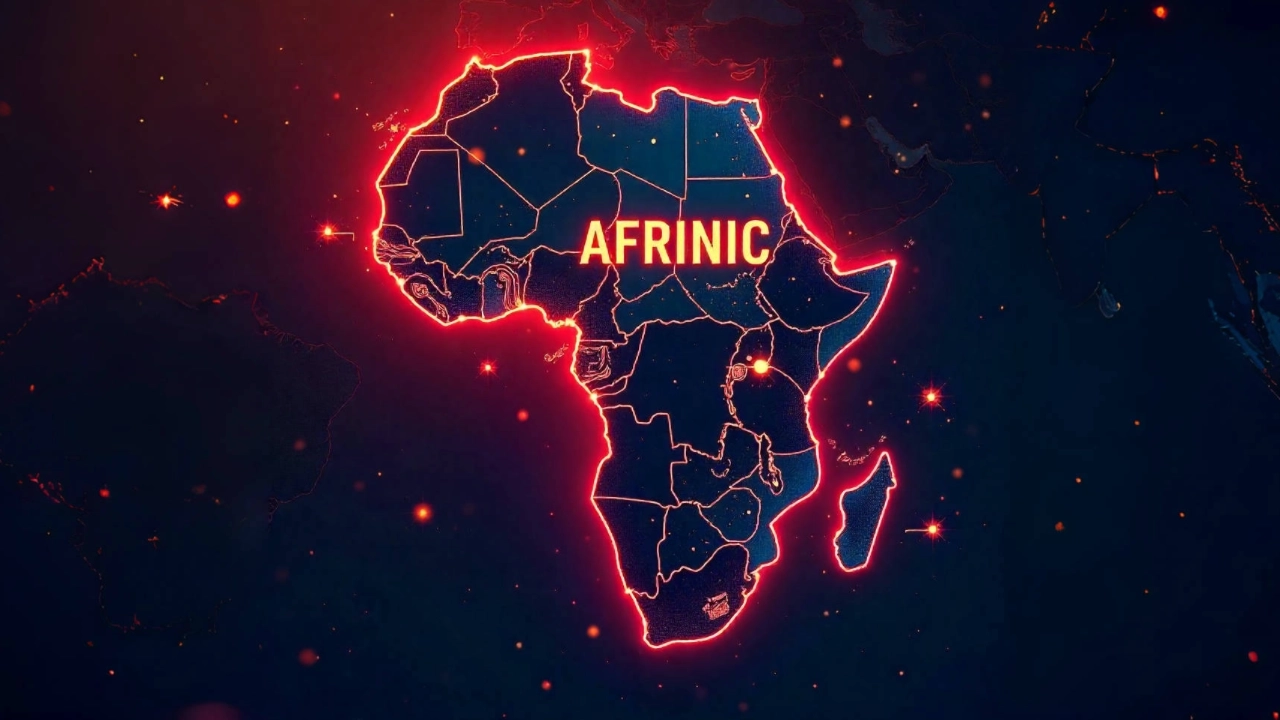
The credibility of AFRINIC’s election process has come under intense scrutiny due to ongoing governance challenges that have raised concerns about its transparency and effectiveness. Issues such as unverified proxy votes and disputed electoral practices have led to widespread criticism, with many questioning AFRINIC’s ability to uphold democratic standards.

The failure to maintain a robust and transparent election process reflects deeper governance issues within AFRINIC. These problems have been highlighted by the African Union’s expert panel on Internet governance, which has repeatedly called for reforms to improve the organisation’s accountability and governance structures.

Also read: AFRINIC’s hidden scandal: How legal fees exposed a culture of corruption
Also read: Proxy voting reforms for AFRINIC: What a fair model should look like

A governance crisis with far-reaching consequences

AFRINIC’s failure to uphold democratic standards in its election process is not just an internal governance issue; it has broader implications for Africa’s digital infrastructure and its role in global internet governance. As Africa’s IP resources become increasingly vital in the interconnected world, the lack of confidence in AFRINIC’s leadership jeopardises the continent’s ability to manage its own digital future effectively.

This governance crisis affects not only AFRINIC’s members but also external stakeholders like Cloud Innovation Ltd., which has voiced concerns over the registry’s lack of accountability. Cloud Innovation, as one of AFRINIC’s major members, has called for a significant restructuring of the organisation’s governance. Some have even proposed the appointment of a new Regional Internet Registry (RIR) to better manage Africa’s digital resources and safeguard its sovereignty.

The integrity of AFRINIC’s election process remains a key factor in restoring trust in its governance. As outlined in ICANN’s guidelines for managing regional registries, fairness, transparency, and accountability must be prioritised in the governance of regional internet resources. The global community, including ICANN and the NRO, must act swiftly to ensure the proper management of Africa’s digital resources and uphold the principles of bottom-up governance.

Afrinic ICANN
Ashley Tang

Ashley is a community engagement specialist at BTW Media, having studied Global Journalism at the University of Sheffield. Contact her at a.tang@btw.media.

Related Posts

Africa faces unresolved governance challenges before any CAIGA model can take shape

December 5, 2025

CAIGA initiative stirs debate, businesses must weigh internet governance changes in Africa

December 4, 2025

Could Smart Africa’s CAIGA lead to centralised internet control in Africa?

December 3, 2025
Add A Comment
Leave A Reply Cancel Reply

CATEGORIES
Archives
  • December 2025
  • November 2025
  • October 2025
  • September 2025
  • August 2025
  • July 2025
  • June 2025
  • May 2025
  • April 2025
  • March 2025
  • February 2025
  • January 2025
  • December 2024
  • November 2024
  • October 2024
  • September 2024
  • August 2024
  • July 2024
  • June 2024
  • May 2024
  • April 2024
  • March 2024
  • February 2024
  • January 2024
  • December 2023
  • November 2023
  • October 2023
  • September 2023
  • August 2023
  • July 2023

Blue Tech Wave (BTW.Media) is a future-facing tech media brand delivering sharp insights, trendspotting, and bold storytelling across digital, social, and video. We translate complexity into clarity—so you’re always ahead of the curve.

BTW
  • About BTW
  • Contact Us
  • Join Our Team
  • About AFRINIC
  • History of the Internet
TERMS
  • Privacy Policy
  • Cookie Policy
  • Terms of Use
Facebook X (Twitter) Instagram YouTube LinkedIn
BTW.MEDIA is proudly owned by LARUS Ltd.

Type above and press Enter to search. Press Esc to cancel.