
Close Menu
  • Home
  • Leadership Alliance
  • Exclusives
  • History of the Internet
  • AFRINIC News
  • Internet Governance
    • Regulations
    • Governance Bodies
    • Emerging Tech
  • Others
    • IT Infrastructure
      • Networking
      • Cloud
      • Data Centres
    • Company Stories
      • Profile
      • Startups
      • Tech Titans
      • Partner Content
    • Fintech
      • Blockchain
      • Payments
      • Regulations
    • Tech Trends
      • AI
      • AR / VR
      • IoT
    • Video / Podcast
  • Country News
    • Africa
    • Asia Pacific
    • North America
    • Lat Am/Caribbean
    • Europe/Middle East
Facebook LinkedIn YouTube Instagram X (Twitter)
Blue Tech Wave Media
Facebook LinkedIn YouTube Instagram X (Twitter)
  • Home
  • Leadership Alliance
  • Exclusives
  • History of the Internet
  • AFRINIC News
  • Internet Governance
    • Regulation
    • Governance Bodies
    • Emerging Tech
  • Others
    • IT Infrastructure
      • Networking
      • Cloud
      • Data Centres
    • Company Stories
      • Profiles
      • Startups
      • Tech Titans
      • Partner Content
    • Fintech
      • Blockchain
      • Payments
      • Regulation
    • Tech Trends
      • AI
      • AR/VR
      • IoT
    • Video / Podcast
  • Africa
  • Asia-Pacific
  • North America
  • Lat Am/Caribbean
  • Europe/Middle East
Blue Tech Wave Media
Home » Could Smart Africa’s CAIGA lead to centralised internet control in Africa?
CAIGA and potential centralised Internet control in Africa
Africa

Could Smart Africa’s CAIGA lead to centralised internet control in Africa?

By Jessica liuDecember 3, 2025No Comments2 Mins Read
Share
Facebook Twitter LinkedIn Pinterest Email
  • CAIGA proposes shifting control over Africa’s IP resource management from AFRINIC’s community‑driven board to a continental body dominated by governments.
  • Critics warn CAIGA could turn technical governance into a political instrument — a “paid‑access” model that undermines regional autonomy and sets a dangerous precedent.

A continent at a crossroads

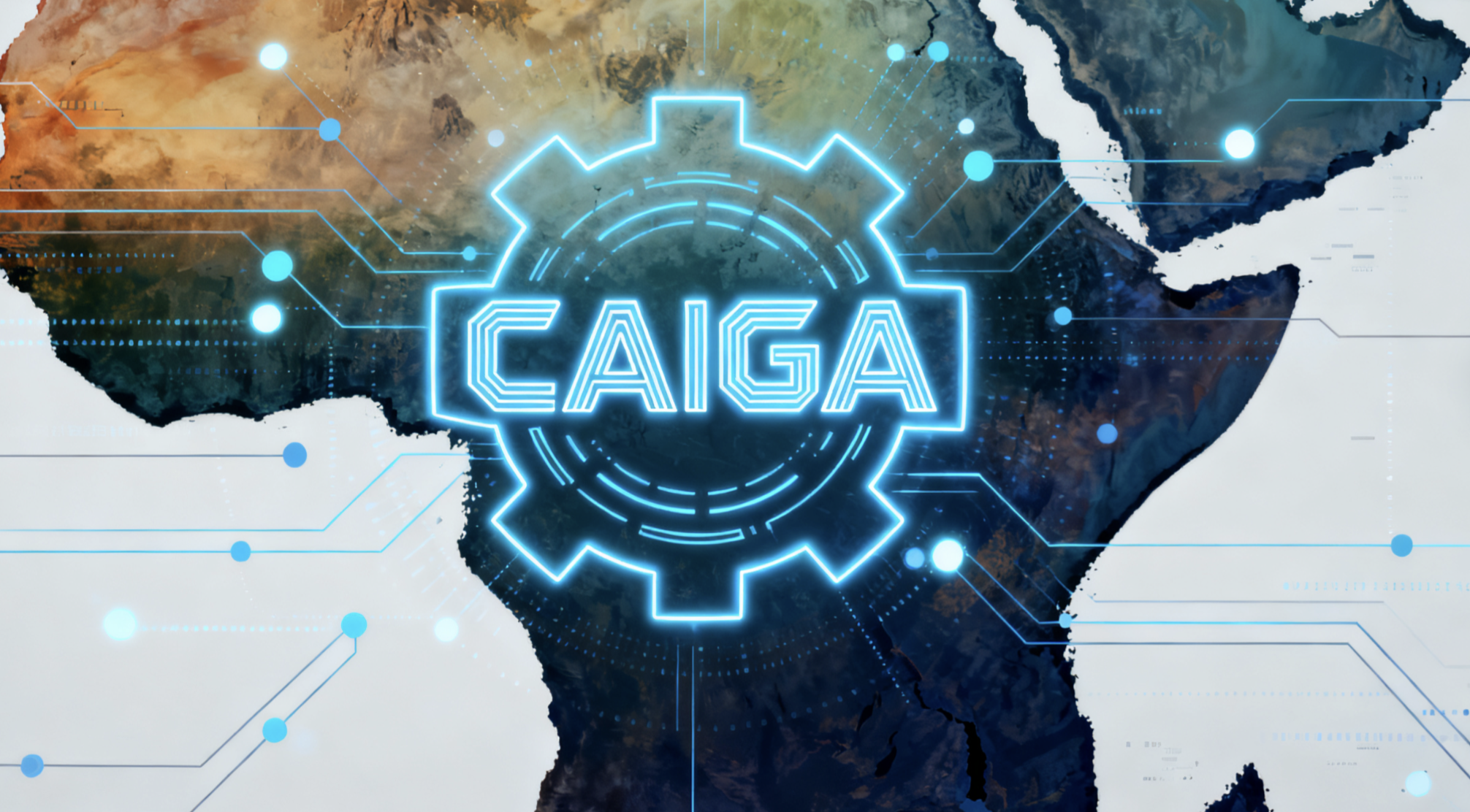
Africa’s internet governance has reached a critical juncture. The existing regional registry, AFRINIC, is widely criticised for governance failures, including annulled elections and procedural flaws. Into this vacuum steps CAIGA — the Continental Africa Internet Governance Architecture — a framework created by Smart Africa and facilitated by ICANN.

The initiative proposes a pan‑African council and a permanent secretariat to oversee Internet governance across the continent. Supporters describe it as a necessary coordination mechanism. However, many stakeholders warn that CAIGA’s structure risks centralising power and diminishing the autonomy of the existing, member-driven AFRINIC board.

Bottom-up governance vs political oversight

For decades, AFRINIC operated under a bottom‑up, multistakeholder model in which members, civil society, and technical operators participate in policy-making and resource allocation. CAIGA, critics argue, threatens to replace this model with a state-led oversight system, where political actors could influence technical decisions.

Cloud Innovation Ltd., AFRINIC’s third-largest member, has highlighted the risks of centralisation. The company, which triggered a court receivership to address AFRINIC’s mismanagement, argues that technical governance should remain independent and transparent, rather than subject to political authority.

Also read: Why CAIGA cannot improve Africa’s internet security
Also read: What the African community thinks about the CAIGA initiative

ICANN’s role raises concerns

ICANN’s facilitation and funding of CAIGA has added legitimacy to the framework, yet also provoked criticism. Many see it as part of a broader pattern of overreach, with the potential to undermine Africa’s bottom-up governance model.

Critics emphasise that CAIGA does not address AFRINIC’s root issues — such as procedural flaws, opaque audits, and governance breakdown — but instead risks embedding political control over IP allocation and network management.

As Africa’s digital future hangs in the balance, CAIGA represents a pivotal test: whether the continent will preserve its multistakeholder governance traditions or shift toward centralised, politically influenced Internet control.

Afrinic Technology Trends
Jessica liu

Jessica Liu is a Media Practice graduate from the University of Sydney and currently works as an intern reporter at BTW Media. Contact her at j.liu@btw.media

Related Posts

AT&T ditches DEI: Telecom giant ends diversity, equity and inclusion programmes to win regulatory approval

December 3, 2025

Poste Italiane set to acquire Vivendi’s remaining TIM stake for €200m

December 3, 2025

Nokia and Tampnet team up to enhance 5G offshore connectivity in the Gulf of Mexico

December 3, 2025
Add A Comment
Leave A Reply Cancel Reply

CATEGORIES
Archives
  • December 2025
  • November 2025
  • October 2025
  • September 2025
  • August 2025
  • July 2025
  • June 2025
  • May 2025
  • April 2025
  • March 2025
  • February 2025
  • January 2025
  • December 2024
  • November 2024
  • October 2024
  • September 2024
  • August 2024
  • July 2024
  • June 2024
  • May 2024
  • April 2024
  • March 2024
  • February 2024
  • January 2024
  • December 2023
  • November 2023
  • October 2023
  • September 2023
  • August 2023
  • July 2023

Blue Tech Wave (BTW.Media) is a future-facing tech media brand delivering sharp insights, trendspotting, and bold storytelling across digital, social, and video. We translate complexity into clarity—so you’re always ahead of the curve.

BTW
  • About BTW
  • Contact Us
  • Join Our Team
  • About AFRINIC
  • History of the Internet
TERMS
  • Privacy Policy
  • Cookie Policy
  • Terms of Use
Facebook X (Twitter) Instagram YouTube LinkedIn
BTW.MEDIA is proudly owned by LARUS Ltd.

Type above and press Enter to search. Press Esc to cancel.