
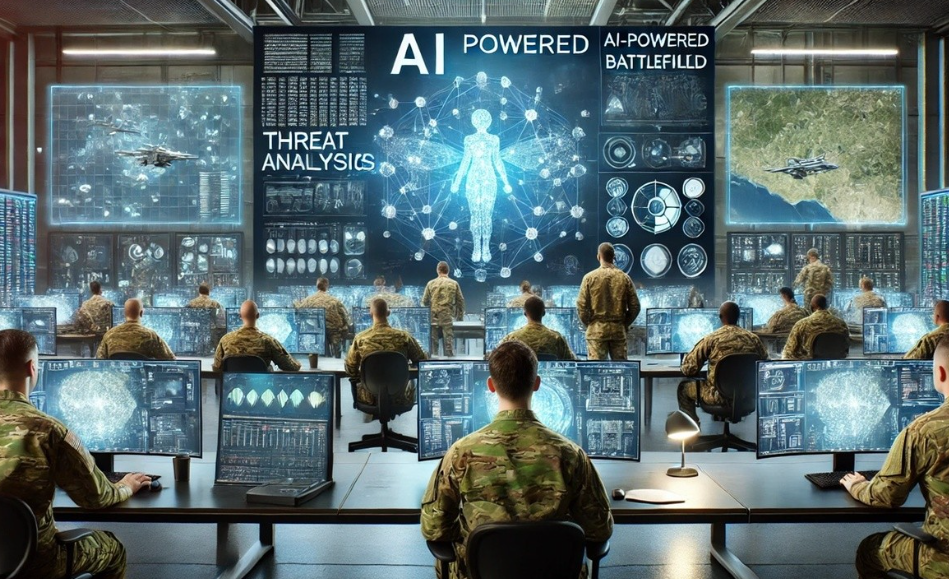
- The German army is testing AI tools to improve speed and accuracy in wartime decision-making.
- The initiative reflects broader NATO interest in using AI to manage complex battlefield data.
What Happened
The German army is exploring the use of artificial intelligence to accelerate decision-making during military operations.
According to a report, officials are assessing AI systems that can analyze large volumes of battlefield data and provide faster insights to commanders.
Modern military operations generate significant amounts of information, including satellite imagery, sensor data, and communications traffic. Processing this data quickly has become a critical challenge.
The German army is testing tools designed to aggregate and analyze these inputs in near real time. The aim is to support command structures by highlighting relevant information and reducing the time required to make decisions.
The initiative forms part of a broader effort within NATO countries to integrate AI into defense systems. Military planners see potential for AI to improve situational awareness and coordination across complex operations.
However, the technology remains at an early stage of adoption. Officials are still evaluating how these systems perform in realistic scenarios and how they can be integrated into existing command frameworks.
Also Read: https://btw.media/all/tech-trends/ai/trump-allows-nvidia-ai-chip-exports-to-china/
Why It’s Important
The move reflects a wider shift in defense strategy. AI is increasingly viewed as a tool for managing information overload rather than replacing human decision-makers.
In modern conflicts, speed of decision-making can be as important as physical capabilities. AI tools may help commanders respond more quickly by filtering and prioritizing data.
However, there are risks. AI systems depend on data quality and model accuracy. Errors or biases in analysis could lead to flawed decisions in high-stakes environments.
There are also governance concerns. Military organizations must decide how much authority to delegate to automated systems and how to maintain human oversight.
The use of AI in defense raises broader ethical and strategic questions. While AI may improve operational efficiency, it could also accelerate the pace of conflict and reduce the time available for deliberation.
The German army’s exploration of AI tools highlights both the potential and uncertainty of this technology. As adoption increases, balancing speed, accuracy, and accountability will remain a key challenge for defense organizations.
Also Read: https://btw.media/all/news/vodafone-partners-with-iridium-for-global-satellite-iot-connectivity/
