
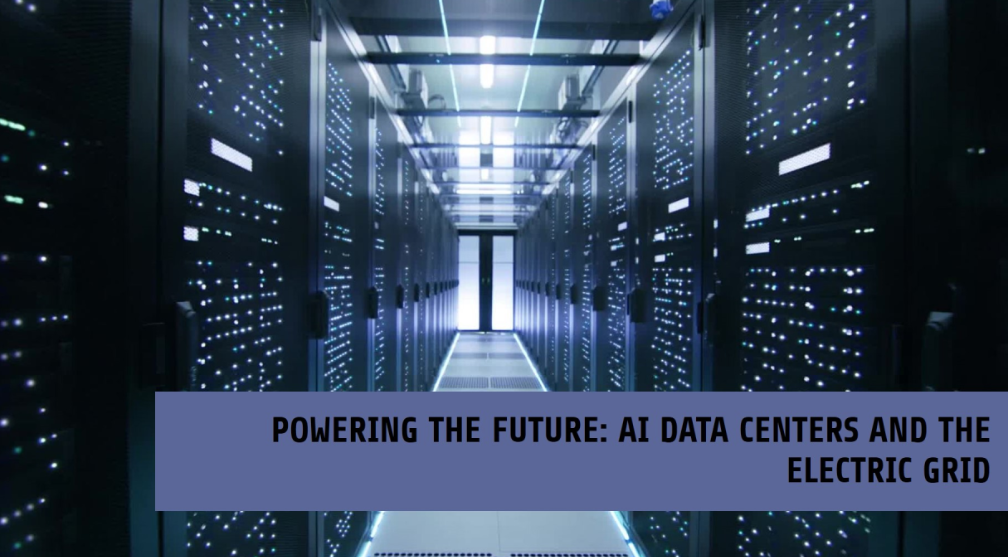
- UK data center operators say energy supply is now the primary limit on AI expansion.
- Grid access and power capacity are overtaking compute shortages as the main concern.
What Happened
Energy supply has become the main constraint on the growth of AI data centers in the UK, overtaking concerns around computing capacity.
According to a report, industry leaders say access to electricity and grid connections is now the biggest barrier to expanding AI infrastructure.
The shift reflects the rapid rise in demand for AI workloads. Training and running large models requires dense clusters of specialized hardware, which consume far more power than traditional data center equipment. AI-focused facilities can require significantly higher power densities, with racks drawing multiple times the energy of standard systems.
Developers in the UK are increasingly competing for limited grid capacity. In some cases, projects face long delays while waiting for connection approvals or upgrades to local infrastructure.
The issue is not isolated. Reports suggest that electricity demand from new data center projects could exceed current national peak consumption, highlighting the scale of the challenge.
Industry surveys also show that power constraints now rank above skills shortages, funding, and supply chain issues as the primary concern for operators planning AI deployments.
Why It’s Important
The development signals a structural shift in the AI economy. While earlier concerns focused on access to GPUs and computing hardware, the limiting factor is increasingly physical infrastructure—especially energy.
This has implications for where AI infrastructure can be built. Locations with reliable and scalable power supply may gain an advantage, while others risk losing investment.
It also raises questions about sustainability. AI data centers consume large amounts of electricity and water. Expanding capacity at scale could put pressure on energy systems and climate targets.
For policymakers, the challenge is balancing digital growth with energy planning. Delays in grid upgrades or permitting could slow the rollout of AI infrastructure and affect national competitiveness.
For operators, the issue is strategic. Securing power supply may become as important as securing chips or land. Some companies are already exploring alternatives such as renewable energy projects, private grids, or co-location near energy sources.
The shift suggests that AI is no longer just a software or hardware challenge. It is increasingly an energy problem. Whether the UK can align its AI ambitions with its energy infrastructure will shape how quickly the sector can expand—and who ultimately benefits from that growth.
