
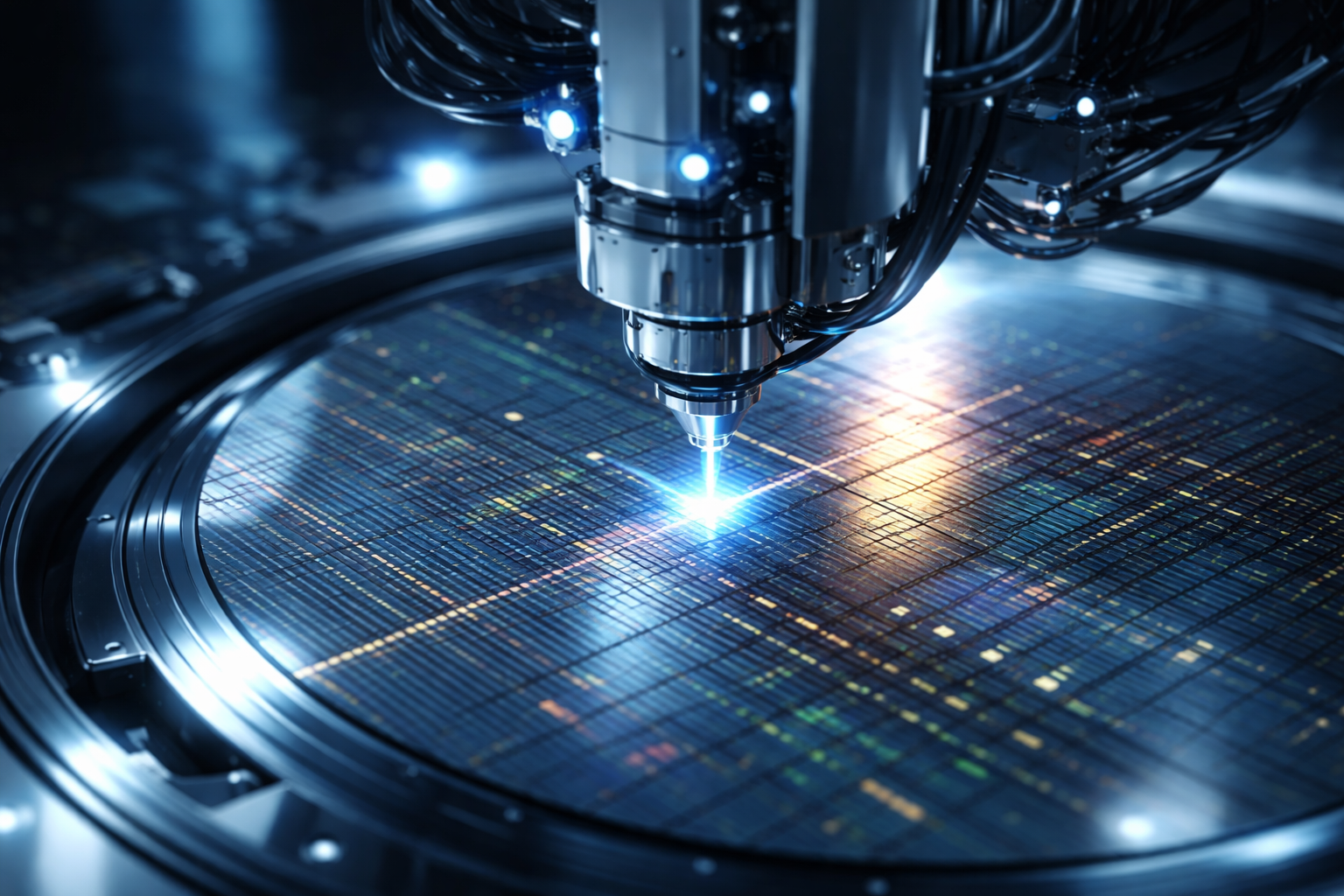
- Startup raises $40 million to develop advanced chipmaking equipment technology
- Backing from Microsoft underscores strategic interest in semiconductor infrastructure
What happened
A Microsoft-backed startup has raised $40 million to accelerate the development of advanced chipmaking equipment, according to a recent report by Reuters. The funding round reflects increasing urgency across the semiconductor industry to strengthen manufacturing capabilities and reduce reliance on constrained supply chains.
The company, which focuses on next-generation fabrication tools, aims to improve efficiency and precision in semiconductor production—areas seen as critical as chipmakers race to meet demand from artificial intelligence, cloud computing and data centre expansion. According to the report, the investment will be used to scale engineering efforts and refine its core technology.
The involvement of Microsoft signals broader interest from major technology firms in supporting upstream semiconductor innovation. As cloud providers and hyperscalers expand infrastructure, control over chip supply—and the tools used to manufacture them—has become strategically significant.
The deal comes at a time when governments and private investors alike are pouring capital into semiconductor ecosystems, particularly in the Asia-Pacific region, where much of the world’s chip production is concentrated.
Also read:GlobalFoundries: Leading the charge in semiconductor innovation
Also read:Microsoft 365 services disrupted users
Why it’s important
The funding underscores a structural shift in how the semiconductor industry is evolving. Rather than focusing solely on chip design, attention is increasingly turning to the equipment and processes behind fabrication—an area historically dominated by a handful of specialised firms.
From a financial perspective, this suggests growing confidence in “picks-and-shovels” plays within the chip sector—companies that enable production rather than produce chips themselves. These firms may offer more stable, long-term returns as demand for semiconductors continues to rise.
Strategically, the move also aligns with efforts by major tech companies to secure supply chains amid geopolitical tensions and export controls. Strengthening equipment innovation could reduce bottlenecks and improve resilience in global chip manufacturing.
Ultimately, the investment reflects a broader trend: as demand for computing power accelerates, the technologies enabling chip production are becoming just as valuable as the chips themselves.
