
- Replacing Anthropic’s Claude in enterprise systems could take up to 18 months.
- Deep integration of AI models is creating lock-in risks for businesses adopting large language models.
What Happened
Companies adopting advanced AI systems such as Anthropic’s Claude may face long and complex replacement cycles, with estimates suggesting it could take up to 18 months to switch to an alternative.
According to a report, the challenge stems from how deeply these models are integrated into enterprise workflows. Businesses increasingly embed AI into core processes, including customer service, software development, and internal operations.
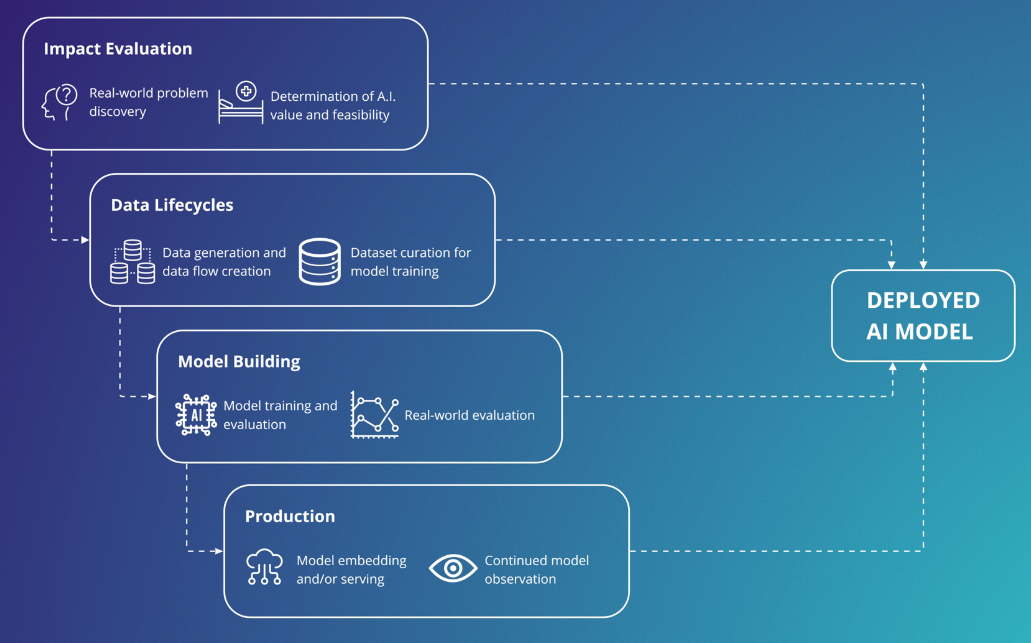
Once deployed, these systems are not easily interchangeable. Replacing one model with another requires retraining workflows, updating integrations, and reconfiguring data pipelines. It may also involve revalidating outputs and retraining staff.
The report highlights how AI adoption is moving beyond experimentation. Many organizations now rely on AI systems as part of day-to-day operations. This shift increases the cost and complexity of switching providers.
Large language models such as Claude are also evolving rapidly. New versions can significantly improve performance, which may further discourage companies from switching platforms once they have invested in integration.
Also Read: https://btw.media/tech-trends/use-chatgpt-like-a-fool/
Why It’s Important
The findings point to a growing issue in the AI industry: vendor lock-in. As companies embed AI into their systems, they may become dependent on specific providers.
This could limit flexibility. Businesses may find it difficult to change suppliers even if better or cheaper options become available. Switching costs may include not only technical work but also operational disruption.
The situation mirrors earlier trends in cloud computing. Once companies migrated workloads to specific platforms, moving them elsewhere often proved difficult and costly.
There are also strategic implications. Control over AI platforms may give providers significant influence over enterprise technology ecosystems. This raises questions about pricing power, competition, and long-term market dynamics.
At the same time, organizations face a trade-off. Deep integration can deliver efficiency gains and productivity improvements. However, it may reduce optionality in the future.
The report suggests companies need to consider these risks early. Decisions made during initial deployment—such as architecture design and vendor choice—could shape long-term flexibility.
As AI becomes more central to business operations, the ability to switch systems may become as important as the systems themselves.
Also Read: https://btw.media/all/it-infrastructure/microsoft-signs-17-4b-gpu-deal-with-nebius/
