
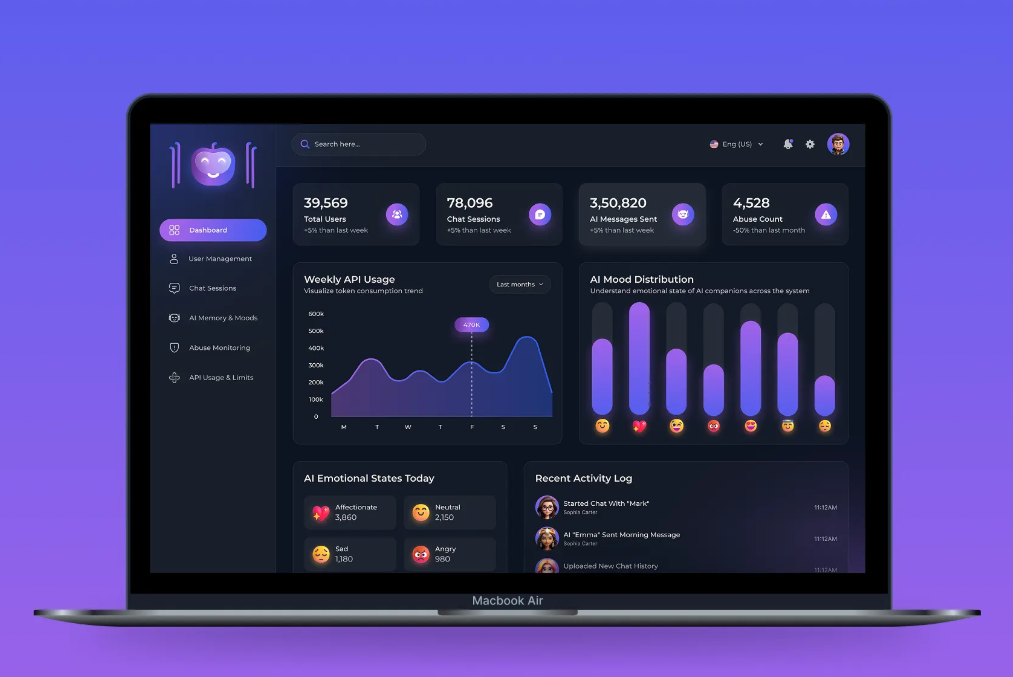
- OpenAI is developing a desktop “super app” to combine multiple AI tools in one place.
- The move reflects growing competition to control the primary interface for AI-driven workflows.
What Happened
OpenAI is working on a new desktop application designed to bring together its various artificial intelligence tools into a single, unified interface.
According to the report, the planned “super app” aims to simplify the user experience by consolidating features that are currently spread across different services.
The company has expanded rapidly in recent years, offering tools for chat, coding, image generation, and other AI-driven tasks. The company’s product portfolio has grown to include ChatGPT for conversational AI, Codex for programming assistance, and DALL-E for image generation. Each tool currently operates as a separate service, requiring users to switch between different interfaces and login systems.
The proposed desktop app would serve as a central hub, allowing users to access these capabilities more easily. It may also help OpenAI create a more consistent interface across its products.
The move comes as competition intensifies in the AI sector. Technology companies are increasingly focused on building platforms that act as the main entry point for users interacting with AI systems.
Several rivals, including major software and cloud providers, are pursuing similar strategies. Microsoft has integrated Copilot across Windows and Office applications, while Google is embedding its Gemini AI into Workspace and Android. These moves reflect an industry-wide race to become the default interface for AI-powered productivity. They aim to integrate AI tools directly into operating systems, productivity software, and enterprise platforms.
Also read: Use ChatGPT Like a Fool
Why It’s Important
The concept of a “super app” reflects a broader shift in how AI tools are delivered. Rather than offering standalone features, companies are trying to build unified platforms that manage multiple tasks.
For users, this could reduce complexity and improve efficiency. A single interface may make it easier to move between tasks such as writing, coding, and data analysis.
However, there are trade-offs. Consolidating services into one application may increase dependence on a single provider. This could limit user choice and make switching between platforms more difficult.
There are also technical challenges. Integrating diverse AI capabilities into one interface requires consistent performance, reliability, and data handling across different use cases.
The strategy raises further questions about control. If one platform becomes the central hub for AI interactions, it may gain significant influence over how users access information and complete tasks.
OpenAI’s move highlights the growing importance of interface design in the AI era. While much attention has focused on model performance, the way users interact with these systems may prove just as critical in determining long-term adoption and competition.
Also read: Microsoft signs $17.4B GPU deal with Nebius
