
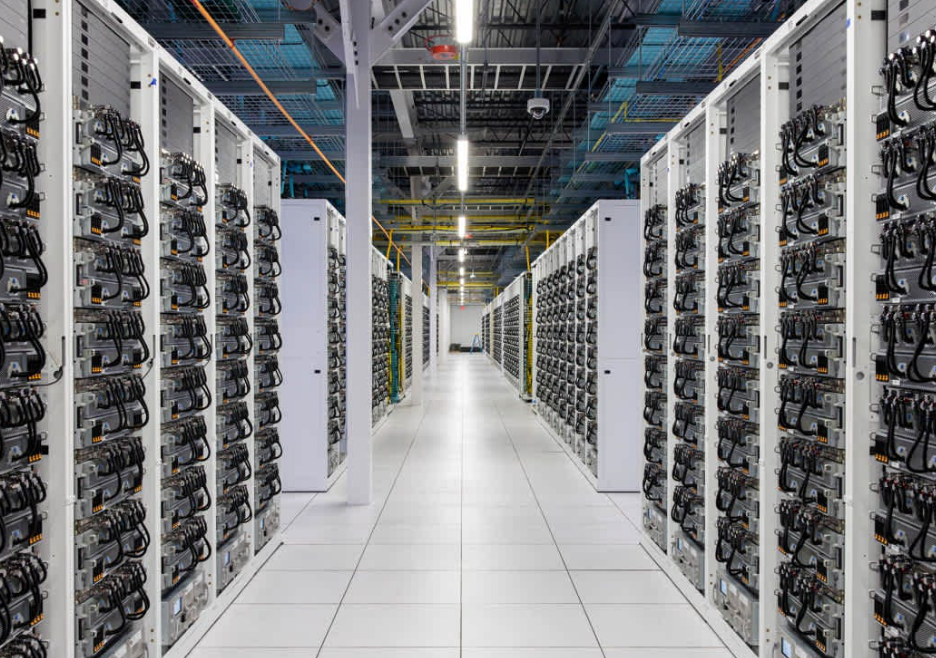
- Nvidia plans to supply up to one million AI chips to Amazon by the end of 2027.
- The deal underscores intensifying competition for GPUs in cloud and AI markets.
What Happened
Nvidia is set to supply up to one million artificial intelligence chips to Amazon under a major cloud infrastructure agreement, with deliveries expected by the end of 2027.
According to the report, the deal reflects Amazon’s growing need for high-performance processors to support its cloud computing and AI services.
The chips will be used across Amazon Web Services (AWS), which provides computing infrastructure for businesses building and deploying AI applications. Demand for such hardware has surged as companies adopt generative AI and machine learning tools. The generative AI market is projected to reach $1.3 trillion by 2032, driving unprecedented demand for computing infrastructure. Major cloud providers including Microsoft Azure and Google Cloud are also competing for limited GPU supplies.
Nvidia remains a dominant supplier of graphics processing units (GPUs) used in AI workloads. Its chips are widely deployed in data centers to train and run large-scale models.
Amazon has been expanding its AI capabilities across multiple areas, including cloud services, enterprise tools, and consumer applications. The company has also developed its own chips, such as Trainium and Inferentia, but continues to rely heavily on Nvidia hardware for advanced workloads.
The scale of the agreement highlights the rapid growth of AI infrastructure. Large cloud providers are investing heavily in data centers, networking, and computing hardware to meet rising demand.
Also read: Intel forecast shortfall highlights struggle to meet AI data center demand
Why It’s Important
The deal illustrates how AI is reshaping the economics of cloud computing. Hyperscale providers such as Amazon must secure large volumes of specialized hardware to remain competitive.
For Nvidia, the agreement reinforces its central role in the AI ecosystem. Strong demand from major customers continues to drive growth, but it also raises concerns about supply constraints and market concentration.
The scale of chip orders may create challenges for smaller companies. Limited access to GPUs could make it harder for startups and smaller enterprises to compete in AI development.
There are also questions about sustainability. AI data centers require significant energy and resources. As infrastructure expands, concerns around power consumption and environmental impact are likely to grow.
Amazon’s continued reliance on Nvidia also highlights a strategic tension. While the company invests in its own chip designs, it still depends on external suppliers for leading-edge performance.
The broader trend suggests that access to AI computing resources is becoming a key competitive factor. Whether this concentration of infrastructure leads to innovation or increased barriers to entry remains uncertain.
Also read: Microsoft signs $17.4B GPU deal with Nebius
