
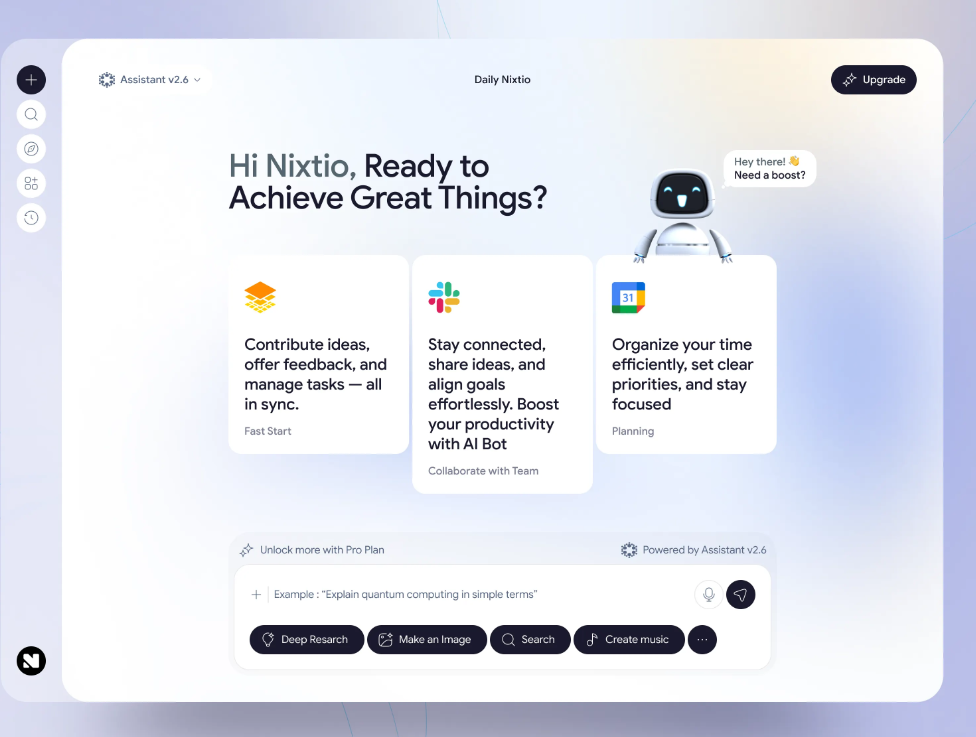
- Microsoft is integrating Anthropic’s AI models into its Copilot ecosystem to power new “agent” features.
- The move signals a broader shift toward autonomous AI tools designed to perform tasks for users.
What Happened
Microsoft has begun using artificial intelligence models from Anthropic to power new capabilities inside its Copilot platform, part of a broader push into AI “agents,” according to the report.
Copilot is Microsoft’s AI assistant integrated across products such as Microsoft 365, Windows, and enterprise software tools. The company says new features will allow AI agents to perform tasks more autonomously, including coordinating workflows and interacting with multiple applications.
The integration of Anthropic’s models reflects Microsoft’s expanding strategy to incorporate AI systems from several providers. While Microsoft remains closely linked to OpenAI, the creator of ChatGPT, the company appears increasingly willing to diversify its AI partnerships.
Anthropic develops the Claude family of large language models, which compete with systems from OpenAI, Google, and other AI developers. By combining models from multiple companies, Microsoft may be able to offer a wider range of AI capabilities within its enterprise platforms.
The shift towards AI agents represents a new phase in the evolution of generative AI tools. Early chatbots focused mainly on answering questions or generating text. Newer systems aim to take action on behalf of users, such as organizing information, automating processes, or interacting with software systems.
However, building reliable AI agents remains technically challenging. These systems must interpret instructions correctly, coordinate across services, and avoid errors that could affect business workflows.
Also Read: https://btw.media/tech-trends/anthropic-claims-its-latest-model-is-best/
Why It’s Important
Microsoft’s decision to incorporate Anthropic technology highlights the growing competition between major AI developers. Companies building enterprise AI platforms increasingly treat models as interchangeable components rather than relying on a single supplier.
For Microsoft, diversification may reduce dependence on any one AI partner while allowing it to experiment with different capabilities. The strategy also reflects the rapid pace of development in the AI sector, where model performance can change quickly.
The emphasis on AI agents also signals a shift in how companies imagine AI productivity tools. Rather than acting as simple assistants, agents are expected to perform tasks autonomously and coordinate digital workflows.
Yet the concept raises significant concerns. Autonomous AI systems could introduce new risks if they misinterpret instructions or produce incorrect outputs while interacting with corporate systems.
Another question is whether businesses are ready to trust AI agents with complex tasks. Many organizations still struggle with data governance, security, and integration issues that can complicate automation projects.
Microsoft’s latest move therefore illustrates both the ambition and uncertainty surrounding enterprise AI. As software companies race to deploy increasingly autonomous tools, the challenge will be ensuring that the speed of innovation does not outpace reliability and oversight.
Also Read: https://btw.media/all/tech-trends/open-ai-nvidia-google-and-others-form-ai-security-alliance/
