
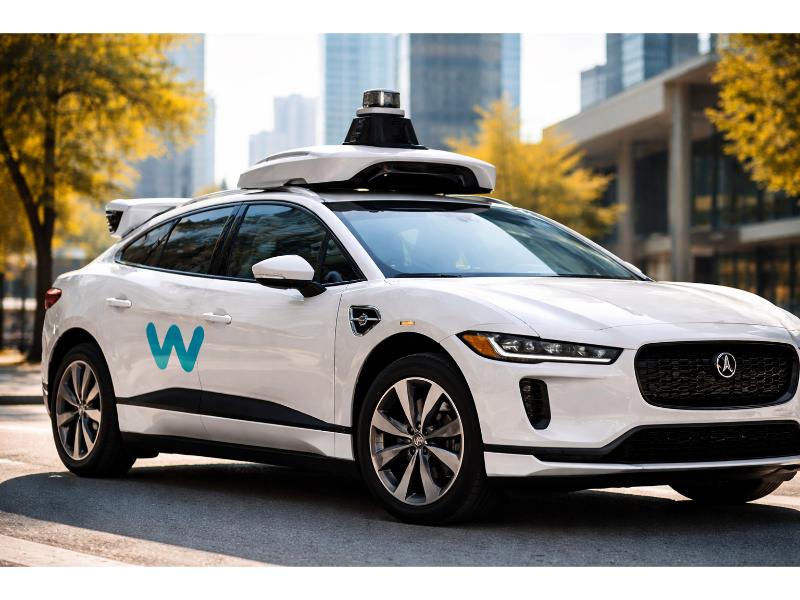
- Waymo is seeking about $16 billion in a financing round that would value the autonomous‑driving unit at close to $110 billion, with most capital expected from Alphabet itself.
- The fundraising comes as the sector intensifies competition to commercialize fully driverless mobility, even amid ongoing safety and regulatory scrutiny.
What happened: Waymo eyes large funding round near $110 billion valuation
Waymo, the autonomous‑vehicle unit of Alphabet, is planning a major fundraising round aimed at securing about $16 billion in new capital, according to Bloomberg‑cited sources. Around $13 billion of the funding is expected to come directly from Alphabet, with the remainder likely supplied by outside investors including Sequoia Capital, DST Global, and Dragoneer Investment Group.
If completed, this financing would value Waymo at nearly $110 billion, a substantial rise from previous assessments of the company’s worth. Waymo was originally spun out of Google’s self‑driving car project and has since grown into one of the leading operators of autonomous taxis in the United States. It currently operates a fleet of over 2,500 robotaxis and is unique in offering paid services without in‑vehicle attendants.
Also Read: Expert: Cyber retaliation is real and threatens US systems
Also Read: Optus outage in Australia sparks fury, calls for overhaul
Why it’s important
This planned fundraising effort underscores that deep capital support remains available for companies pursuing high‑level autonomous driving—particularly for firms with significant operational scale and technological credibility. Investors’ willingness to engage at such valuations suggests they still believe in the long‑term commercial potential of Level 4/Level 5 autonomy, where vehicles operate without human oversight.
However, substantial capital inflows do not guarantee imminent profitability or widespread adoption. Fully autonomous vehicles face a host of regulatory, safety, and infrastructure challenges before they can become ubiquitous—and recent reports of investigations into safety incidents illustrate this reality. Investors are effectively wagering that future returns from robotaxi networks or autonomous freight solutions will outweigh the costs of scaling fleets and navigating regulatory hurdles.
The Waymo case also highlights a broader pattern in tech and mobility investment: large, well‑funded incumbents continue to attract funding for frontier technologies, potentially leaving smaller competitors with less capital and slower progress. As the autonomous driving landscape matures, it remains to be seen whether sustained investment will produce clearer commercial returns or whether the high valuations reflect mainly optimism rather than near‑term business viability.
