
Close Menu
  • Leadership Alliance
  • Exclusives
  • History of the Internet
  • AFRINIC News
  • Internet Governance
    • Regulations
    • Governance Bodies
    • Emerging Tech
  • Others
    • IT Infrastructure
      • Networking
      • Cloud
      • Data Centres
    • Company Stories
      • Profile
      • Startups
      • Tech Titans
      • Partner Content
    • Fintech
      • Blockchain
      • Payments
      • Regulations
    • Tech Trends
      • AI
      • AR / VR
      • IoT
    • Video / Podcast
  • Country News
    • Africa
    • Asia Pacific
    • North America
    • Lat Am/Caribbean
    • Europe/Middle East
Facebook LinkedIn YouTube Instagram X (Twitter)
Blue Tech Wave Media
Facebook LinkedIn YouTube Instagram X (Twitter)
  • Leadership Alliance
  • Exclusives
  • History of the Internet
  • AFRINIC News
  • Internet Governance
    • Regulation
    • Governance Bodies
    • Emerging Tech
  • Others
    • IT Infrastructure
      • Networking
      • Cloud
      • Data Centres
    • Company Stories
      • Profiles
      • Startups
      • Tech Titans
      • Partner Content
    • Fintech
      • Blockchain
      • Payments
      • Regulation
    • Tech Trends
      • AI
      • AR/VR
      • IoT
    • Video / Podcast
  • Africa
  • Asia-Pacific
  • North America
  • Lat Am/Caribbean
  • Europe/Middle East
Blue Tech Wave Media
Home » Internet Blackout Continues in Iran
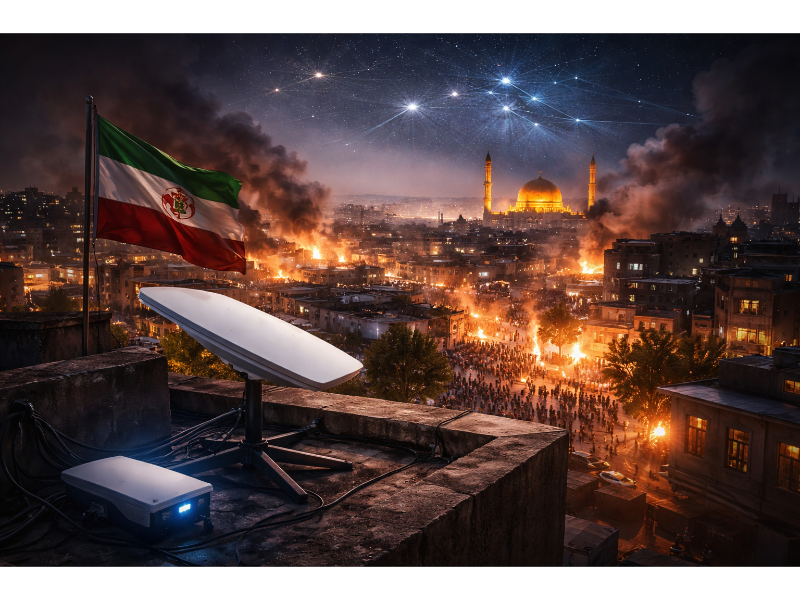
Iranians-turn-to-Starlink-to-bypass-Iran’s-internet-blackout
IT Infrastructure

Internet Blackout Continues in Iran

By Harriet LiJanuary 28, 2026No Comments2 Mins Read
Share
Facebook Twitter LinkedIn Pinterest Email
  • It has lasted more than 400 hours, cutting off most online access amid widespread protests and deepening economic strain.
  • The shutdown has significant economic and social impacts, disrupting businesses, inhibiting communication and underscoring broader political tensions.

What happened: Mass protests triggered the authorities to limit communication across the country

Since the beginning of January, the Iranian authorities have implemented a nearly comprehensive Internet blockade in response to nationwide protests triggered by economic difficulties, inflation and political discontent. According to the monitoring organization Netblocks, the network connection has lasted more than 400 hours, only about 1% of the normal level. This is the longest lasting and widest network blockade in the country’s modern history.

The blockade not only cut off access to international websites and social media, but also severely restricted mobile data and telephone communications, isolating most people from the outside world. In order to limit all forms of digital communication, even satellite communication services such as Starlink have been disturbed.

The protests started at the end of December last year. People were dissatisfied with currency devaluation, rising prices and economic pressure. The protests quickly spread to all provinces of Iran. The government took strong security measures and used Internet blockade to hinder the coordination of protests and restrict the flow of information.

Also Read: APNIC updates on resource audit at APRICOT 2025
Also Read: Danawa Resources leading the charge in sustainable resource management

Why it’s important

The continuous disconnection has had a profound impact on Iran’s society and economy. For ordinary Iranians, the lack of Internet disrupts their daily life, business, education and communication, resulting in the inability of enterprises to operate digital services, and the people are also isolated from the outside world and unable to obtain news information.

From an economic point of view, this outage is a critical period. Analysts estimate that the long-term disconnection of the network causes millions of dollars of losses to Iran every day, damages industries that rely on network connections, and further exacerbates the existing pressure caused by inflation and currency instability.

From a political point of view, the disconnection highlights the government’s use of communication restrictions to control dissent, although reports of arrests and violent repression continue to emerge. Restricting the flow of information will reduce transparency and the attention of the international community, and cause human rights organizations to worry about the future of accountability and civil liberties in Iran.

Internet blackout Internet shutdown Iran
Harriet Li

Related Posts

Du and EHRDC Signs MoU to Boost tech-savvy Emiratis

January 28, 2026

Logitech unveils Rally AI cameras for hybrid video conferencing

January 28, 2026

HPE and 2degrees partner on AI and data sovereignty

January 28, 2026
Add A Comment
Leave A Reply Cancel Reply

CATEGORIES
Archives
  • January 2026
  • December 2025
  • November 2025
  • October 2025
  • September 2025
  • August 2025
  • July 2025
  • June 2025
  • May 2025
  • April 2025
  • March 2025
  • February 2025
  • January 2025
  • December 2024
  • November 2024
  • October 2024
  • September 2024
  • August 2024
  • July 2024
  • June 2024
  • May 2024
  • April 2024
  • March 2024
  • February 2024
  • January 2024
  • December 2023
  • November 2023
  • October 2023
  • September 2023
  • August 2023
  • July 2023

Blue Tech Wave (BTW.Media) is a future-facing tech media brand delivering sharp insights, trendspotting, and bold storytelling across digital, social, and video. We translate complexity into clarity—so you’re always ahead of the curve.

BTW
  • About BTW
  • Contact Us
  • Join Our Team
  • About AFRINIC
  • History of the Internet
TERMS
  • Privacy Policy
  • Cookie Policy
  • Terms of Use
Facebook X (Twitter) Instagram YouTube LinkedIn
BTW.MEDIA is proudly owned by LARUS Ltd.

Type above and press Enter to search. Press Esc to cancel.