
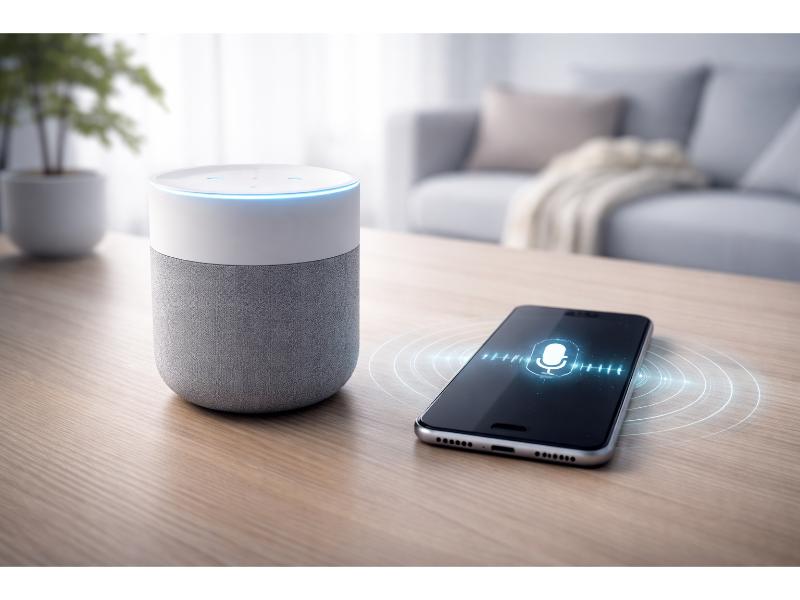
- Google will pay $68 million to settle a class‑action lawsuit alleging its voice assistant illegally recorded private conversations.
- The case underscores growing scrutiny of AI assistant behavior, shifting focus from data storage to interaction conduct.
What happened: voice assistant recordings spur litigation
Google has agreed to pay $68 million to settle a class‑action lawsuit claiming that its Google Assistant illegally intercepted and recorded users’ private conversations without consent and used the information to serve targeted advertisements. The proposed settlement, pending approval in a federal court in San Jose, California, stems from allegations that the assistant activated inadvertently—in so‑called “false accepts” when it misinterpreted speech as a trigger—and captured private speech that was later disseminated to third parties. Google denied wrongdoing but chose to settle to avoid further legal costs and uncertainty.
The complaint covers users who bought or used Google Assistant‑enabled devices since May 2016, including smartphones and smart speakers. Legal representatives for the plaintiffs may request up to approximately $22.7 million of the settlement in attorneys’ fees. This case follows similar litigation: Apple agreed to pay $95 million in 2024 over comparable claims involving its Siri assistant.
Also Read: Apple and Google forge AI partnership with Gemini models to power next-generation Siri
Also Read: Apple and Google deepen AI ties with multi‑year gemini deal
Why it’s important
The settlement highlights the debate around AI‑powered voice assistants from concerns about mere data retention to the behavioral dynamics of interactions—how and when assistants engage with users and the potential for unintended surveillance. Growing legal pressure suggests users, regulators, and courts increasingly view automated listening behaviors as privacy risks, not just technical features.
Critics question whether paying settlements without admitting fault sufficiently addresses underlying trust issues. If voice assistants can misinterpret casual speech as activation phrases, the risk of unintended privacy intrusion looms large. Some commentators argue that regulatory frameworks must evolve to govern not only how data is stored but also how AI systems behave during real‑world interactions—including clearer user controls, more transparent pattern recognition boundaries, and stronger consent mechanisms.
This case also illustrates how legal liability is becoming a material factor in AI adoption strategies. Tech companies may increasingly weigh the reputational costs of litigation against product innovation, particularly as regulators grapple with balancing technological advancement with user privacy rights. The outcome could affect not only product design but also industry standards and regulatory approaches to AI assistants globally.
