
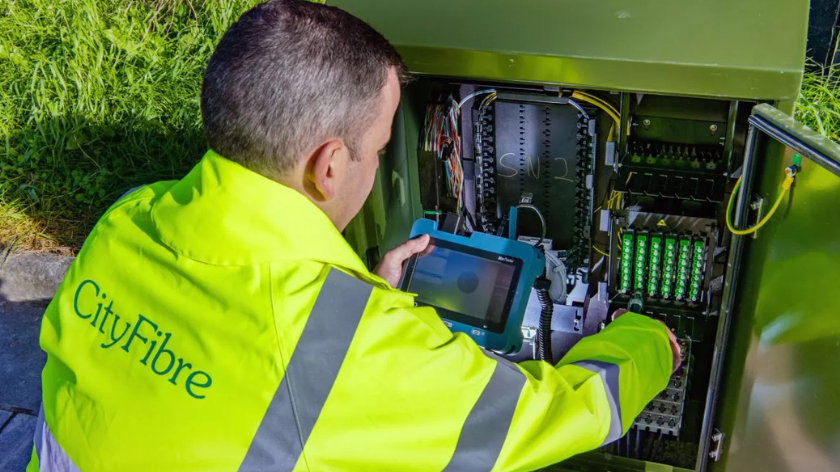
- CityFibre is accelerating consolidation in the UK full-fibre sector as scale and coverage emerge as key advantages over pure build-out efforts.
- Smaller alternative network players face narrowing prospects as financing pressures and competitive dynamics favour larger platforms.
What happened: Larger networks gain edge as UK broadband consolidation intensifies
The United Kingdom’s alternative broadband sector is entering a phase where scale and network coverage increasingly trump simple infrastructure roll-out, reshaping competition and survival prospects for smaller players. At the centre of this shift is CityFibre, the UK’s largest independent full-fibre platform, which continues to expand both organically and through strategic acquisitions.
CityFibre’s recent acquisition of Connexin’s full-fibre infrastructure, adding footprint across Hull and East Riding for up to 185,000 premises, exemplifies how consolidation is driving wider coverage more rapidly than standalone build projects. The deal builds on earlier acquisitions such as Lit Fibre in 2024 and reflects the company’s broader strategy to integrate and commercialise acquired networks under a unified wholesale platform.
Industry analysis indicates that smaller “altnets” — local alternative network operators that emerged to challenge incumbents like BT’s Openreach — are increasingly under financial strain. High capital costs, rising interest rates and price competition have left many with heavy debt loads and limited runway. As a result, mergers and acquisitions are viewed as the most viable route to sustainability.
CityFibre’s continued ability to raise significant funding — including major financing rounds in 2025 — has positioned it as a consolidator of choice, giving it access to broader wholesale partnerships and deeper market penetration. That scale translates into economies of scale, stronger balance sheets and the ability to offer partners robust service levels, advantages smaller players often lack.
Also Read: EU’s Cybersecurity Shake-Up: A Ban in All But Name?
Also Read: Cyber attacks would wipe out over 10% of UK businesses – Vodafone
Why it’s important
For technology companies, network vendors, cloud and connectivity service providers, the UK fibre sector’s shift from build-out competition to coverage-driven consolidation has strategic implications. Consolidated networks can support larger addressable markets and more compelling partner propositions, which increases the attractiveness of wholesale and infrastructure deals.
It shows the UK fibre market moving into a phase where scale and coverage outweigh pure network build-out. As funding tightens and take-up growth slows, operators with national reach and strong balance sheets are gaining the upper hand, while smaller altnets struggle to remain viable. For technology companies — including network vendors, cloud providers and systems integrators — this consolidation reduces the number of infrastructure partners but increases their size and strategic importance. In short, the window for sub-scale players is closing, and market structure is becoming as decisive as technology deployment.
