
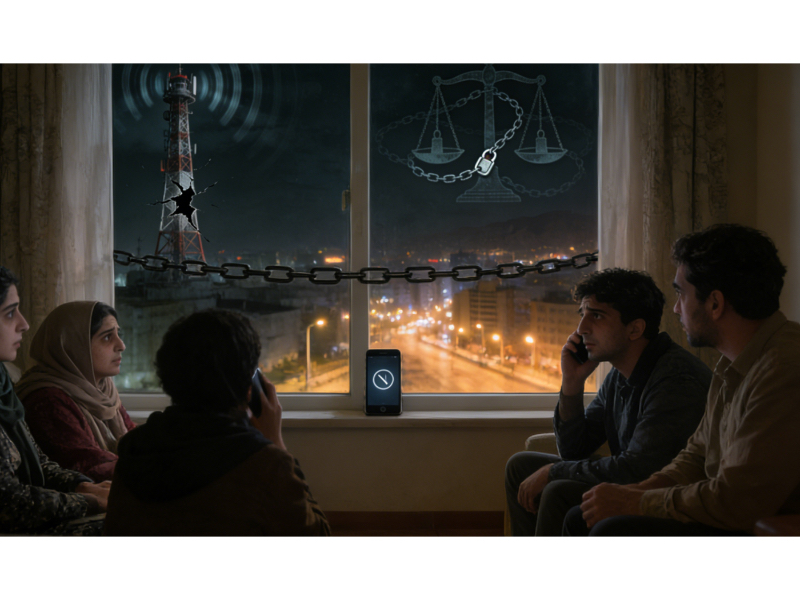
- Nationwide internet and phone services were cut as Iranians protested soaring prices, currency collapse and economic hardship.
- The blackout has hampered communication, drawing international concern as violence escalates and calls for reform grow.
What happened: Iran cuts internet amid nationwide protests
Iran was plunged into a near-total internet blackout on 8 January 2026 as protests over deteriorating economic conditions spread nationwide. Monitoring group NetBlocks reported that connectivity dropped sharply to near zero, effectively cutting most citizens off from online communication and access to the wider world.
The demonstrations began in late December in response to inflation, rising food and medicine prices, the collapse of the national currency and the removal of a subsidised exchange rate, and they quickly spread to all 31 provinces, including Tehran, Isfahan and Fars.
The blackout also coincided with escalating clashes between protestors and security forces. Rights organisations report that dozens, including children, have been killed in confrontations across the country. Arrests have numbered in the thousands, and hundreds more are wounded, according to activist groups.
Reports suggest that mobile data, SMS services and landline calls were disrupted alongside the internet outage, further limiting Iranians’ ability to communicate with relatives inside or outside the country. International calls from outside Iran were also failing to connect, indicating a broader communications shutdown.
While officials have offered few details, state media described the blackout as a necessary security measure. Analysts, however, see it as a deliberate tactic to stifle information flow during a period of intense social unrest.
Amid the shutdown, reports have emerged of former exiled figures attempting to rally support, and videos shared before the blackout show crowds chanting slogans and toppling symbolic statues of regime figures.
In a sign of how severe the situation has become, organisations monitoring internet traffic recorded that IPv6 usage dropped dramatically, which indicates that the outage was engineered rather than a technical failure.
Also read: US expands Starlink funding via Internet for All programme
Also read: Starlink partners with Space Norway for LEO services
Why it’s important
The internet blackout has profound implications for both the internal dynamics of the protests and broader questions about governance and human rights.
Firstly, communication is a vital tool for protest movements. Real-time sharing of information, coordination of demonstrations, and documentation of events have been central to recent protest movements in other countries.
Cutting off access not only hampers organisers’ ability to mobilise but also obscures independent reporting on the ground, making it harder for families, journalists and international observers to understand what is occurring. Observers have noted that such blackouts are often used by governments to control narratives and reduce the visibility of unrest.
The blackout also raises questions about the balance between state security and citizens’ rights. Human rights groups have criticised the move as a tool of repression, arguing that it violates basic freedoms of expression and access to information.
Prominent Iranian cultural figures and diaspora activists have condemned the shutdown as an attempt to conceal violent crackdowns, calling for international attention to ensure communication channels are restored.
