Lead Report / Trends
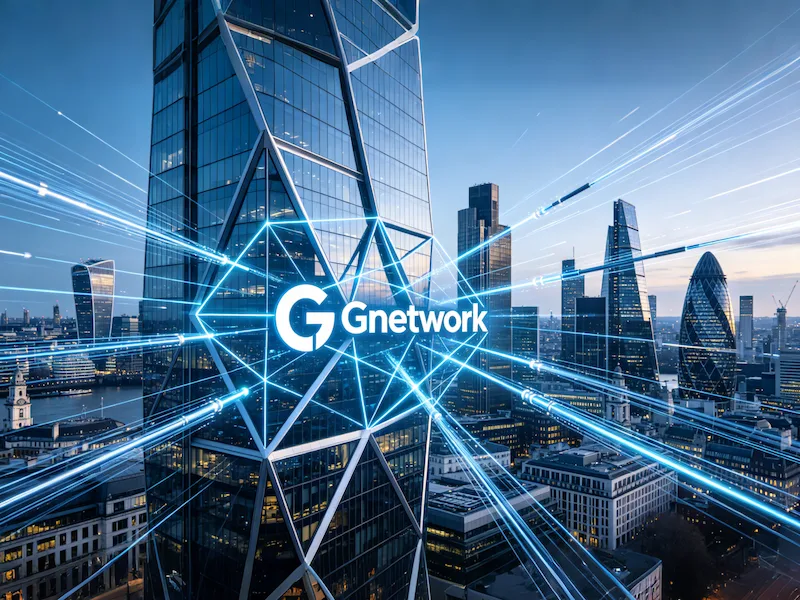
Gnetwork reshuffles C-suite to speed London fibre rollout
New C-suite appointments at Gnetwork aim to speed up full-fibre deployment across London’s competitive infrastructure market.
Live Wire
Member Access
Become a BTW member for free daily updates across governance, market, membership, and RIR Watchdog sessions. Join now and manage your delivery preferences anytime.
Lead Report / Trends
New C-suite appointments at Gnetwork aim to speed up full-fibre deployment across London’s competitive infrastructure market.

Governance
Disclosure cadence and institutional reporting discipline continue to tighten.

Market
Service-layer demand expands as IP infrastructure intelligence becomes an investment variable.

Risk
Scenario mapping continues across regulation, concentration, and operational choke points.
Governance, market, and membership branches operating in one integrated newsroom model.
Five regional sessions: ARIN, RIPE NCC, APNIC, AFRINIC, and LACNIC.

History of the Internet
Lito Ibarra’s story reveals how the internet was built from scratch and why its governance now struggles at global scale
Open History Session
Leadership Alliance
Samsung Q1 profit jumps to 57.2tn won as AI memory demand drives strong semiconductor recovery.
Open Alliance Session