
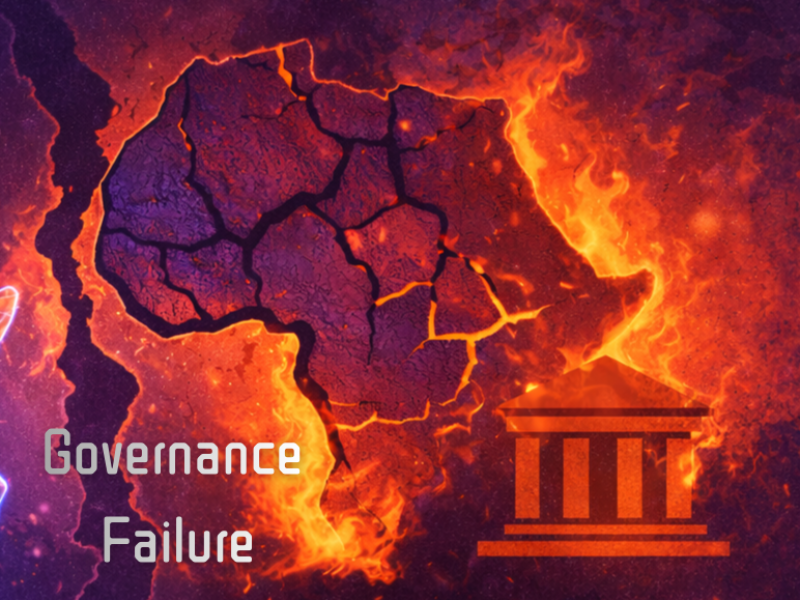
- Smart Africa’s public messaging on CAIGA emphasises coordination and unity, while leaving critical governance questions unanswered.
- Critics argue the language used masks a shift towards political control at a moment of deep institutional failure in African internet governance.
Carefully framed language at a critical moment
As Africa’s internet governance system faces its most serious crisis in decades, Smart Africa has become increasingly vocal in promoting the Continental Africa Internet Governance Architecture (CAIGA). Public statements from the organisation consistently describe CAIGA as a “continental coordination” framework designed to support digital transformation and policy alignment.
Yet critics argue that the timing and framing of these statements deserve closer scrutiny. CAIGA has been advanced while AFRINIC, the continent’s Regional Internet Registry, remains mired in governance paralysis, legal disputes and eroded community trust. Rather than directly addressing these failures, Smart Africa’s messaging tends to speak around them, focusing on future frameworks instead of present accountability.
Also Read: If AFRINIC’s new board has nothing to hide, why is it so afraid of a simple factual question?
Also Read: Africa’s digital future at risk: How Smart Africa may be deepening tech dependency
Broad ambition, limited detail
A recurring feature of Smart Africa’s statements is their high-level nature. References to inclusivity, alignment and cooperation are frequent, but concrete explanations of how CAIGA would function in practice are scarce. There is little clarity on who would hold decision-making authority, how disputes would be resolved, or what safeguards would exist to prevent political interference.
This ambiguity has fuelled scepticism among technical operators and civil society groups. Critics argue that by avoiding operational detail, Smart Africa’s messaging leaves room for a governance model that centralises power while appearing neutral. The absence of explicit commitments to community-led processes contrasts sharply with the multistakeholder principles that have historically underpinned internet governance.
Also Read: Smart Africa under scrutiny: Vision without governance
Also Read: Why CAIGA’s expansion is drawing international criticism
ICANN’s silence amplifies concern
ICANN’s involvement has further complicated the picture. While Smart Africa’s statements present CAIGA as a collaborative effort, ICANN has offered limited public explanation of its role beyond broad references to support and engagement. This lack of transparency has intensified concerns that political narratives are being allowed to dominate without sufficient scrutiny.
Analysts at the Internet Governance Project have warned that such arrangements risk weakening global governance norms by normalising state-centric oversight in Africa.
In a moment that demands institutional repair and trust-building, critics argue Smart Africa’s statements on CAIGA prioritise messaging over substance. Until clearer answers are provided, the gap between rhetoric and reality will continue to undermine confidence in Africa’s internet governance reset.
