
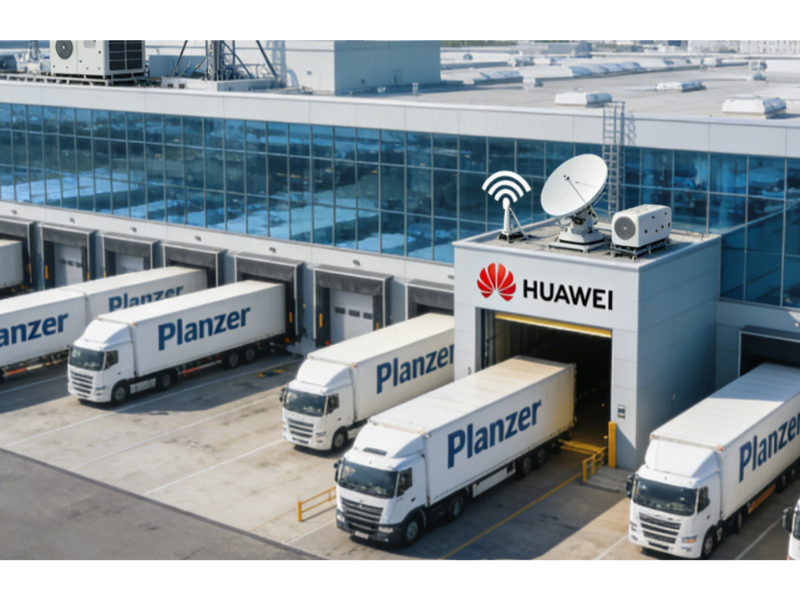
- Swiss logistics firm Planzer deploys Huawei’s network technologies to enhance operational efficiency and digital connectivity.
- The project highlights the growing role of advanced IT infrastructure in modern supply chain management.
What happened: Planzer upgrades its logistics network with Huawei technology
Swiss logistics provider Planzer has implemented Huawei network solutions to optimise its operational workflows and improve digital connectivity across its transportation and logistics infrastructure. The deployment includes high-performance networking equipment, advanced routing, and integrated management platforms designed to reduce latency and enhance data flow across the company’s regional hubs.
Planzer, which serves numerous clients in the pharmaceutical, retail, and industrial sectors, aims to leverage these enhancements to streamline shipment tracking, warehouse management, and internal communications. The network solution integrates with existing IT systems, supporting real-time monitoring and predictive analytics. Huawei’s involvement reportedly includes consultation on network design, deployment, and ongoing technical support, ensuring that the system scales with Planzer’s growing operations.
Also read: Huawei’s Xinghe SASE gains certification: What it really means for enterprise security
Also read: Huawei’s AI lab denies copying Alibaba’s Qwen model
Why it’s important
The collaboration between Planzer and Huawei underscores the critical role that modern IT infrastructure plays in logistics. By adopting advanced networking solutions, Planzer can maintain high operational reliability, minimise shipment delays, and better respond to disruptions in its supply chain. This is particularly relevant in a sector increasingly dependent on rapid data exchange, including inventory levels, delivery tracking, and fleet management.
However, the use of Huawei technologies in Europe has raised questions about data sovereignty and cybersecurity, reflecting broader debates about reliance on external technology providers in strategic industries. While the solutions offer clear efficiency benefits, stakeholders must weigh these against potential risks related to network security and long-term autonomy over operational data.
Overall, Planzer’s project illustrates how digital transformation is reshaping traditional logistics models. Firms that effectively integrate advanced networking tools may gain a competitive edge through improved operational efficiency, cost savings, and enhanced customer service. The initiative also signals a growing trend in Europe where logistics companies invest in scalable and resilient IT infrastructure to future-proof their supply chains in a complex global environment.
