Why should we balance AI capabilities with human expertise? is tracked as a internet infrastructure institution within the internet infrastructure ecosystem.
Why should we balance AI capabilities with human expertise? has public-source relevance to network operations, governance, dependency mapping, or market structure.
Why should we balance AI capabilities with human expertise? has public-source relevance to network operations, governance, dependency mapping, or market structure.
Why should we balance AI capabilities with human expertise? is tracked as a internet infrastructure institution within the internet infrastructure ecosystem.
Public-source signals support medium-impact monitoring for infrastructure visibility and dependency analysis.
Public-source signals support medium-impact monitoring for infrastructure visibility and dependency analysis.
| 0.90–1.00 | A | High — direct sources |
| 0.75–0.89 | A/B | Strong |
| 0.55–0.74 | B/C | Medium |
| 0.35–0.54 | C/D | Weak–medium |
| 0.10–0.34 | D | Weak signal |
| 0.00–0.09 | D | Internal monitoring |
多个公开来源
- 研究人员评估了AI在七种常见类型中检测潜在安全漏洞的能力。
- 尽管经济影响显著,倡导者优先考虑环境保护和原住民权利,这为潜在的冲突埋下了伏笔。
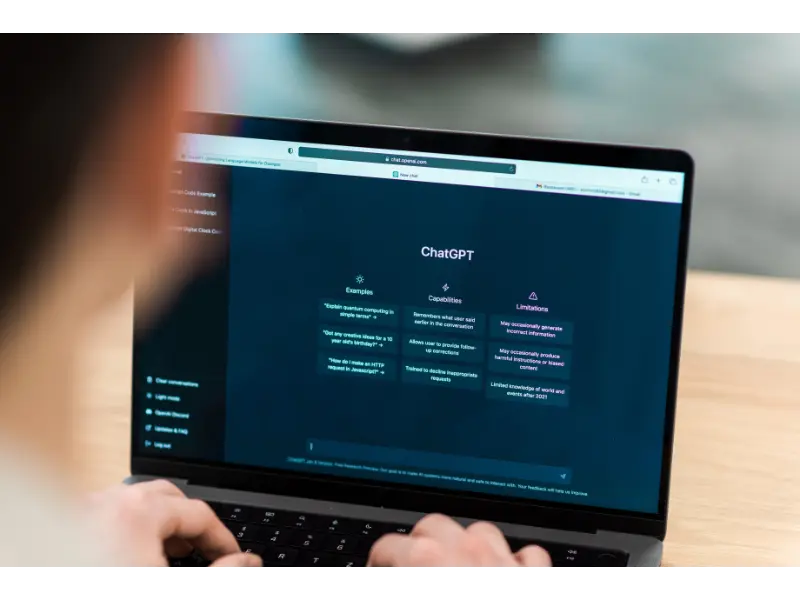
尽管像ChatGPT这样的AI在代码生成和分析方面展现出令人印象深刻的能力,但对其作为可靠安全审计工具的有效性仍存在疑虑。这凸显了利用专业工具和人类判断力来全面评估潜在漏洞的重要性。 另见: Ziggo集团任命领导人,备战2027年阿姆斯特丹上市.
评估AI系统在常见安全漏洞方面的表现
随着人工智能能力的不断发展,Salus Security的研究人员最近对GPT-4及其他AI系统进行了检测常见安全漏洞的测试。这项研究由Salus Security(一家在北美、欧洲和亚洲开展业务的知名区块链安全公司)的两位专家进行,旨在评估GPT-4在解析和审计智能合约方面的熟练程度。
另请阅读:Alphabet的Gemini:旨在挑战ChatGPT-4的AI模型
探索AI的双重性质
研究显示,尽管包括ChatGPT在内的AI在代码生成和分析方面表现出值得称赞的能力,但其作为安全审计工具的可信度依然存疑。研究人员利用一个包含35份智能合约的数据集(称为SolidiFI-benchmark漏洞库,共包含732个漏洞),评估了AI在七种常见漏洞类型中识别潜在安全弱点的能力。 另见: Alejandro Estua.
结果表明,ChatGPT在检测真正漏洞(即在非受控环境下仍需进一步调查的实际漏洞)方面表现出超过80%的高精确率。然而,该AI系统在产生漏报方面遇到了挑战,Salus团队的实验显示其召回率低至仅11%。由此得出结论,GPT-4的漏洞检测能力有限,其最高准确率仅达到33%。 另见: 亚历杭德罗·曼佐.
人类判断与专业工具在漏洞评估中的应用
鉴于这些发现,研究人员建议在像GPT-4这样的AI系统在效果方面迎头赶上之前,依靠专用的审计工具和人类专业知识来审查智能合约。这一观点强调了在将AI整合到像安全审计这样的敏感领域时需要采取谨慎态度,凸显了人类判断力和专业工具在确保全面评估潜在漏洞方面的互补作用。 另见: 亚历杭德罗·埃尔南德斯.
这项研究的成果揭示了AI在安全领域应用的不断发展的格局,并强调了不断改进AI系统以满足安全审计严格需求的重要性。随着AI技术的不断进步,组织在利用AI能力与认识到其在安全评估等关键领域当前局限性之间取得平衡,变得越来越重要。 另见: 亚历杭德罗·加尔萨.
从这项研究中获得的见解为围绕AI交叉领域的持续讨论做出了宝贵贡献,促使行业利益相关者考虑将AI整合到安全协议中的微妙影响。展望未来,这项研究可能催生进一步的对话和创新,旨在提高AI驱动的安全审计工具的有效性,最终增强数字生态系统抵御新出现威胁的能力。 另见: Alejandro Guerrero.
运营领域
Why should we balance AI capabilities with human expertise? 的公开档案基于可见角色、运营背景和相关报道。
- 公开角色: Why should we balance AI capabilities with human expertise? 通过公开角色、服务背景和可复核资料进入 BTW 的观察范围。 证据基础: Why should we balance AI capabilities with human expertise? article record; Why should we balance AI capabilities with human expertise? article record
- 运营面: Market 与 Asia Pacific 构成该机构档案的公开语境。 证据基础: Why should we balance AI capabilities with human expertise? article record; Why should we balance AI capabilities with human expertise? article record
时间线
- Why should we balance AI capabilities with human expertise? 公开档案更新
公开报道将 Why should we balance AI capabilities with human expertise? 记录为需要按角色、运营语境和证据继续观察的主体。
概要
- 名称: Why should we balance AI capabilities with human expertise?
- 类型: Internet infrastructure institution
- 所在地: Asia Pacific
- 档案重点: Institution
功能说明
- 公开记录可用于跟踪其角色、服务和关键关系。
重要性
- Public-source signals support medium-impact monitoring for infrastructure visibility and dependency analysis.
- 运营关键性: Medium
- 时间范围: Next quarter
关注事项
- 监测重点是经核实的服务连续性、治理变化和关系信号。
跟踪经验证的来源更新、角色变化和当前公开证据。
Public-source signals support medium-impact monitoring for infrastructure visibility and dependency analysis.
长期相关性取决于经验证的运营、政策和关系变化。
会员简报
深度档案背景
登录后可解锁完整档案简报和来源说明。
公开视角
Why should we balance AI capabilities with human expertise? 的公开解读限于可见角色、运营语境和有证据支撑的关系。
观察点
- 新的公开角色、合作、产品、政策或市场披露。
- 涉及具名组织或人物的已验证关系变化。
限制说明
- 私人或未经验证的说法不进入公开视图。
常见问题
为什么收录 Why should we balance AI capabilities with human expertise??
Why should we balance AI capabilities with human expertise? 有公开证据显示其与数字基础设施、治理或市场报道相关。
这个档案的公开部分是什么?
公开层覆盖可见角色、运营语境、关联主体和有证据支撑的观察点。
读者接下来应关注什么?
读者应关注有来源支持的角色变化、新合作、监管暴露、运营扩张或会改变公开评估的证据。