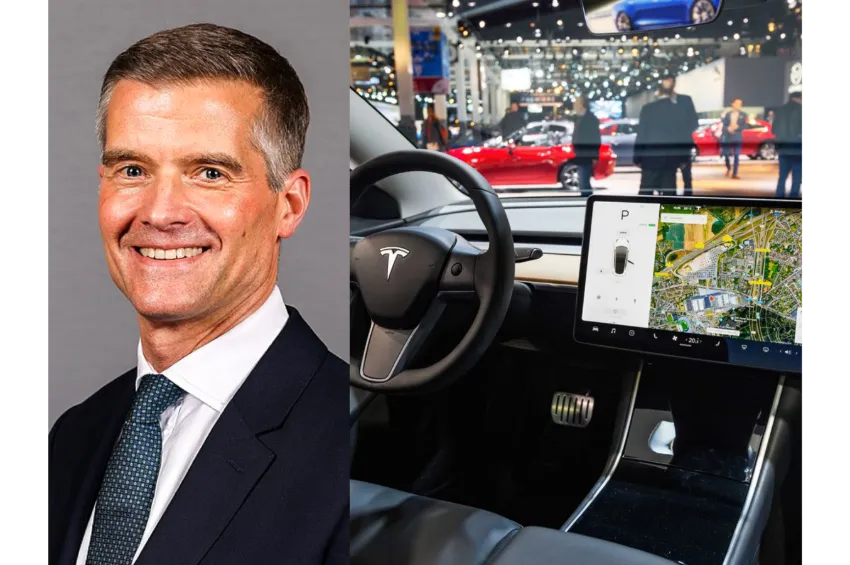
UK aims for fully self-driving cars by 2026 is tracked as a internet infrastructure institution within the internet infrastructure ecosystem.
UK aims for fully self-driving cars by 2026 has public-source relevance to network operations, governance, dependency mapping, or market structure.
UK aims for fully self-driving cars by 2026 has public-source relevance to network operations, governance, dependency mapping, or market structure.
UK aims for fully self-driving cars by 2026 is tracked as a internet infrastructure institution within the internet infrastructure ecosystem.
Public-source signals support medium-impact monitoring for infrastructure visibility and dependency analysis.
Public-source signals support medium-impact monitoring for infrastructure visibility and dependency analysis.
| 0.90–1.00 | A | High — direct sources |
| 0.75–0.89 | A/B | Strong |
| 0.55–0.74 | B/C | Medium |
| 0.35–0.54 | C/D | Weak–medium |
| 0.10–0.34 | D | Weak signal |
| 0.00–0.09 | D | Internal monitoring |
多个公开来源
- 英国交通大臣马克·哈珀宣布,英国计划在2026年允许全自动驾驶汽车上路。
- 《自动驾驶车辆法案》将为制造商设定法律和安全标准。
- 此举是一项计划的一部分,该计划旨在到2035年创建一个价值420亿英镑的产业,并创造3.8万个就业岗位。
英国政府在交通大臣马克·哈珀的指导下,制定了一项计划,最早在2026年迎接自动驾驶汽车驶上英国道路。这一声明是更广泛的科技法律框架的一部分,旨在促进该领域的就业创造和吸引投资。
《自动驾驶车辆法案》:保障英国交通的未来
由首相里希·苏纳克作为立法议程的一部分提出的《自动驾驶车辆法案》将为制造自动驾驶汽车的公司建立法律安全基准。它代表着责任向制造商转移,并禁止误导性营销,特别是关于此类车辆的全自动驾驶功能。
另请阅读: 未来的汽车?华为携炫酷的AITO M9进军智能汽车行业
更 高的营销清晰度要求
哈珀在周四的一次采访中强调了在2026年前在公共道路上看到全自动驾驶车辆的可能性。有鉴于此,误导性宣传,例如特斯拉所谓的“完全自动驾驶能力”,将需要更大的透明度。制造商将被强制要求只有在车辆真正满足标准时才能将其描述为自动驾驶,从而避免客户和驾驶员的混淆。
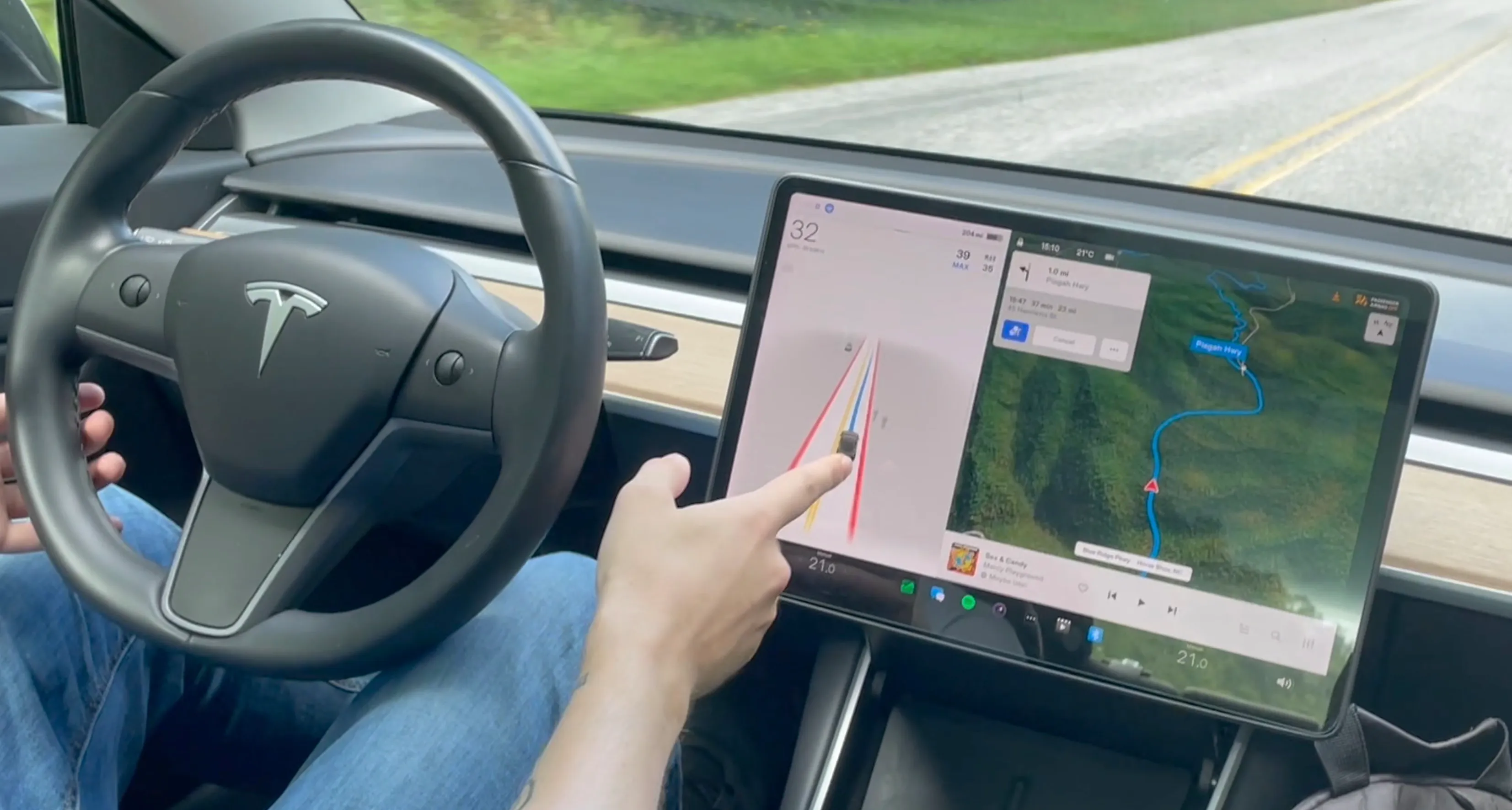
另请阅读: 特斯拉通过预装FSD Beta加速全自动驾驶推广
该立法策略是一项全面计划的一部分,旨在到2035年打造一个420亿英镑的产业,预计在英国创造3.8万个就业岗位。该法案将在未来几个月经过全面的议会程序,然后才能成为法律。
在与全球汽车技术进步保持一致的举措中,英国将自己定位在这个变革性行业的前沿,为自动驾驶汽车的到来制定了强有力的标准。 另见: Ziggo集团任命领导人,备战2027年阿姆斯特丹上市.
Domain of operation
UK aims for fully self-driving cars by 2026 is profiled by BTW Media because published evidence links it to internet infrastructure, governance, operational dependencies, or market visibility.
- Public role: UK aims for fully self-driving cars by 2026 is framed by uk aims for fully self-driving cars by 2026 is tracked as a internet infrastructure institution within the internet infrastructure ecosystem. and public market context. 证据基础: UK aims for fully self-driving cars by 2026 article record; UK aims for fully self-driving cars by 2026 article record
- Operating surface: Market and Europe and Middle East provide the public context for this institution profile. 证据基础: UK aims for fully self-driving cars by 2026 article record; UK aims for fully self-driving cars by 2026 article record
时间线
- UK aims for fully self-driving cars by 2026 public profile updated
Public coverage records UK aims for fully self-driving cars by 2026 as a subject for role, operating context, and evidence review.
概要
- 名称: UK aims for fully self-driving cars by 2026
- 类型: Internet infrastructure institution
- 所在地: Europe and Middle East
- 档案重点: Institution
功能说明
- 公开记录可用于跟踪其角色、服务和关键关系。
重要性
- Public-source signals support medium-impact monitoring for infrastructure visibility and dependency analysis.
- 运营关键性: Medium
- 时间范围: Next quarter
关注事项
- 监测重点是经核实的服务连续性、治理变化和关系信号。
跟踪经验证的来源更新、角色变化和当前公开证据。
Public-source signals support medium-impact monitoring for infrastructure visibility and dependency analysis.
长期相关性取决于经验证的运营、政策和关系变化。
会员简报
深度档案背景
登录后可解锁完整档案简报和来源说明。
公开视角
The public read of UK aims for fully self-driving cars by 2026 is limited to visible role, operating context, and relationship evidence.
观察点
- New public role, affiliation, product, policy, or market disclosures.
- Verified relationship changes involving named organizations or people.
限制说明
- Private or unverified claims are excluded from this public view.
常见问题
Why is UK aims for fully self-driving cars by 2026 included?
UK aims for fully self-driving cars by 2026 has public evidence that makes the institution relevant to BTW's coverage of digital infrastructure, governance, or markets.
What is public about this profile?
The public layer covers visible role, operating context, linked organizations, and evidence-backed watchpoints.
What should readers watch next?
Readers should watch for source-backed role changes, new partnerships, regulatory exposure, operating expansion, or evidence that changes the public assessment.