How can Thailand solve its air quality and forest fire problems? is tracked as a internet infrastructure institution within the internet infrastructure ecosystem.
How can Thailand solve its air quality and forest fire problems? has public-source relevance to network operations, governance, dependency mapping, or market structure.
How can Thailand solve its air quality and forest fire problems? has public-source relevance to network operations, governance, dependency mapping, or market structure.
How can Thailand solve its air quality and forest fire problems? is tracked as a internet infrastructure institution within the internet infrastructure ecosystem.
Public-source signals support medium-impact monitoring for infrastructure visibility and dependency analysis.
Public-source signals support medium-impact monitoring for infrastructure visibility and dependency analysis.
| 0.90–1.00 | A | High — direct sources |
| 0.75–0.89 | A/B | Strong |
| 0.55–0.74 | B/C | Medium |
| 0.35–0.54 | C/D | Weak–medium |
| 0.10–0.34 | D | Weak signal |
| 0.00–0.09 | D | Internal monitoring |
多个公开来源
- SEA-HAZEMON是一个低成本实时监测泰国及东南亚农村社区雾霾空气质量灾害的项目。
- Adisorn Lertsinsrubtavee认为,社区驱动包括两个部分:地方当局 + 村民或志愿者。
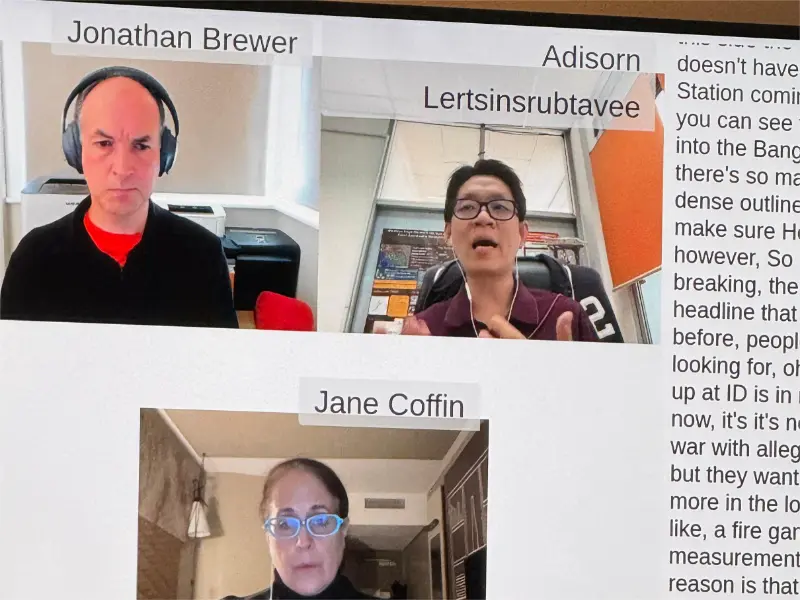
Adisorn Lertsinsrubtavee在IETF 119上介绍了SEA-HAZEMON项目。SEA-HAZEMON项目是一个实时空气质量监测和森林火灾探测平台。 另见: AfriNIC会员名册神秘消失.
森林火灾是世界各地农村生活中一个常被忽略和误解的部分。但自20世纪70年代以来,人们一直在研究和探索火灾,试图实现早期探测和预警。 另见: AfriNIC 消失的成员登记册.
森林火灾探测手段无法适应日益复杂的森林防火形势。 另见: 亚历杭德罗·费尔南德斯.
而且森林防火信息化水平低,通信覆盖能力不足。泰国林区现有防火通信覆盖率仅为70%,存在大片盲区,卫星通信和移动通信策略薄弱。 另见: 阿尔多·加西亚.
在森林火灾早期预警和监测系统不完善(且早期预警准确性不高)的情况下,一家公司着手改善这一领域。 另见: Alcymer Vieira.
SEA-HAZEMON项目
根据绿色和平组织的数据,2017年上半年泰国空气中颗粒物的最大来源是露天焚烧,约占54%,其次是工业,占PM2.5排放的17%。交通运输和物流约占13%。家庭和发电约占同样的比例,分别为7%和9%。
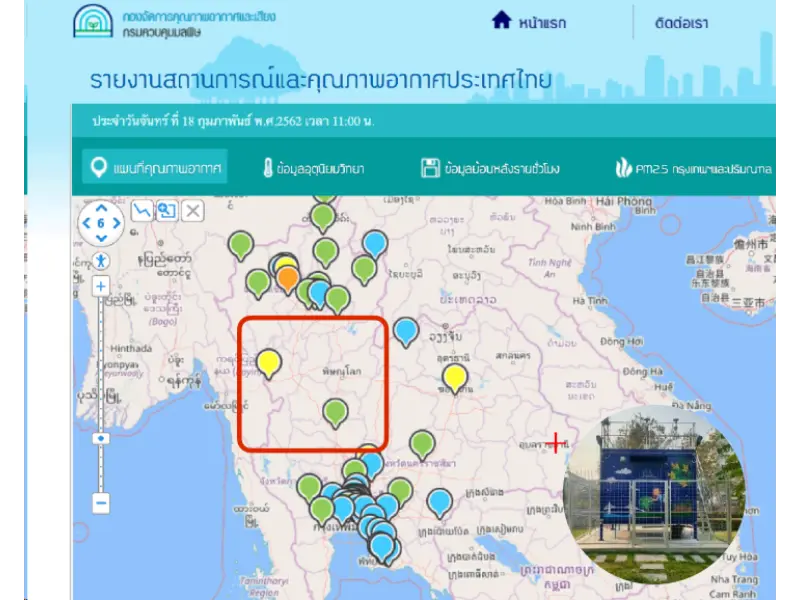
当前的问题是什么? 另见: 阿尔西德斯·克雷莫内齐.
首先,缺乏实时空气污染报告的空气质量监测站(AQI、PM2.5、CO2等)。此外,监测站非常昂贵(数百万泰铢)!那么,让我们来看看SEA-HAZEMON,它是一个低成本实时监测泰国及东南亚农村社区雾霾空气质量灾害的项目。该项目由AIT的intERLab/SET教授Mongkol Ekpanyapong博士和法国UPMC的LIP6的Giovanni和Paul领导。 另见: 阿尔贝托·安纳亚.
物联网社区
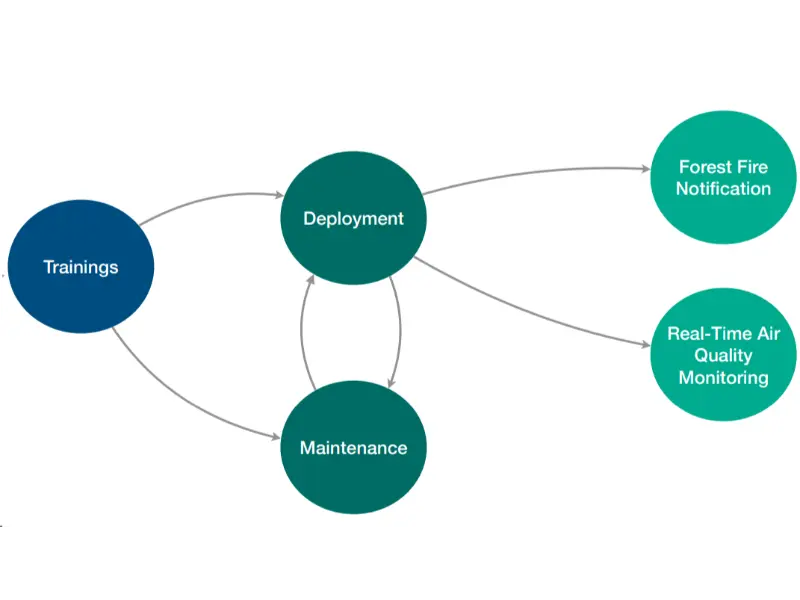
Adisorn Lertsinsrubtavee向观众解释了实验室中传感器的测试与校准,以及环境中传感器的测试与校准,环境不同,物联网社区模式也不同。Adisorn Lertsinsrubtavee认为,社区驱动分为两部分:地方当局,如森林消防、市政府,以及村民或志愿者。 另见: 阿尔伯特·基斯.
这是一个简单易懂的模型:
在会议期间,他举了几个例子:
- Doi Chang PaPae社区——在泰国南奔府Doi Chang Pa Pae(海拔900-1280米)部署了8个空气质量传感器和一个气象站。
- Mae Ping社区
- Ban Tak社区——8个微型传感器、2个气象站和5个微型传感器+计算
- GRAB骑手社区——评估7个月期间(2023年11月至2024年5月)每日PM2.5暴露量,并研究长期暴露的潜在不良影响
关于物联网、PM2.5和森林火灾的持续研究
以下是Adisorn提到的内容:
- 开发森林火灾探测模型
- 识别燃烧时段和因素
- 森林火灾探测模型
- 森林火灾警报:向森林消防部门发送通知消息
Domain of operation
How can Thailand solve its air quality and forest fire problems? is profiled by BTW Media because published evidence links it to internet infrastructure, governance, operational dependencies, or market visibility.
- Public role: How can Thailand solve its air quality and forest fire problems? is framed by how can thailand solve its air quality and forest fire problems? is tracked as a internet infrastructure institution within the internet infrastructure ecosystem. and public governance context. 证据基础: How can Thailand solve its air quality and forest fire problems? article record; How can Thailand solve its air quality and forest fire problems? article record
- Operating surface: Governance and Asia Pacific provide the public context for this institution profile. 证据基础: How can Thailand solve its air quality and forest fire problems? article record; How can Thailand solve its air quality and forest fire problems? article record
时间线
- How can Thailand solve its air quality and forest fire problems? public profile updated
Public coverage records How can Thailand solve its air quality and forest fire problems? as a subject for role, operating context, and evidence review.
概要
- 名称: How can Thailand solve its air quality and forest fire problems?
- 类型: Internet infrastructure institution
- 所在地: Asia Pacific
- 档案重点: Institution
功能说明
- 公开记录可用于跟踪其角色、服务和关键关系。
重要性
- Public-source signals support medium-impact monitoring for infrastructure visibility and dependency analysis.
- 运营关键性: Medium
- 时间范围: Next quarter
关注事项
- 监测重点是经核实的服务连续性、治理变化和关系信号。
跟踪经验证的来源更新、角色变化和当前公开证据。
Public-source signals support medium-impact monitoring for infrastructure visibility and dependency analysis.
长期相关性取决于经验证的运营、政策和关系变化。
会员简报
深度档案背景
登录后可解锁完整档案简报和来源说明。
公开视角
The public read of How can Thailand solve its air quality and forest fire problems? is limited to visible role, operating context, and relationship evidence.
观察点
- New public role, affiliation, product, policy, or market disclosures.
- Verified relationship changes involving named organizations or people.
限制说明
- Private or unverified claims are excluded from this public view.
常见问题
Why is How can Thailand solve its air quality and forest fire problems? included?
How can Thailand solve its air quality and forest fire problems? has public evidence that makes the institution relevant to BTW's coverage of digital infrastructure, governance, or markets.
What is public about this profile?
The public layer covers visible role, operating context, linked organizations, and evidence-backed watchpoints.
What should readers watch next?
Readers should watch for source-backed role changes, new partnerships, regulatory exposure, operating expansion, or evidence that changes the public assessment.