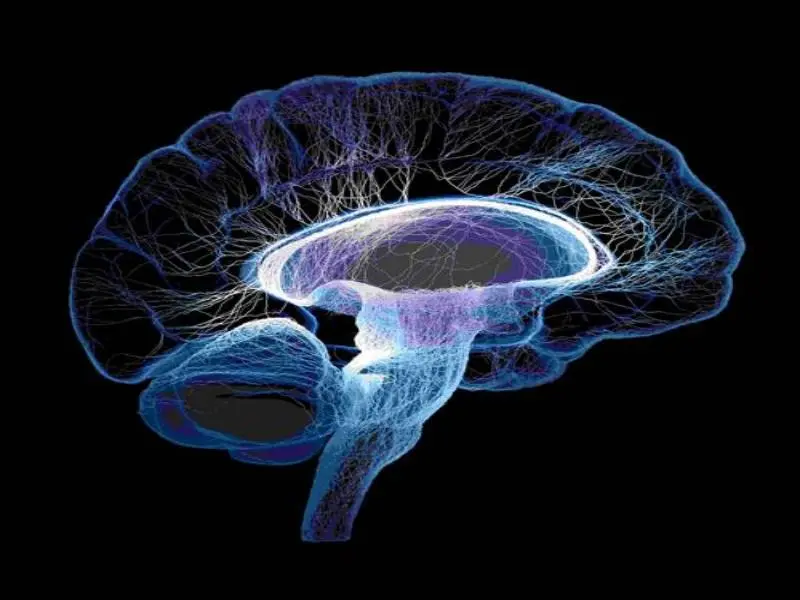
7 reasons why we use neural networks in machine learning is tracked as a internet infrastructure institution within the internet infrastructure ecosystem.
7 reasons why we use neural networks in machine learning has public-source relevance to network operations, governance, dependency mapping, or market structure.
7 reasons why we use neural networks in machine learning has public-source relevance to network operations, governance, dependency mapping, or market structure.
7 reasons why we use neural networks in machine learning is tracked as a internet infrastructure institution within the internet infrastructure ecosystem.
Public-source signals support medium-impact monitoring for infrastructure visibility and dependency analysis.
Public-source signals support medium-impact monitoring for infrastructure visibility and dependency analysis.
| 0.90–1.00 | A | High — direct sources |
| 0.75–0.89 | A/B | Strong |
| 0.55–0.74 | B/C | Medium |
| 0.35–0.54 | C/D | Weak–medium |
| 0.10–0.34 | D | Weak signal |
| 0.00–0.09 | D | Internal monitoring |
多个公开来源
- 神经网络已成为现代机器学习算法的基石,彻底改变了计算机从数据中学习的方式。
- 这些受人类大脑结构和功能启发的复杂互联节点网络,在从图像识别到自然语言处理的各种应用中扮演着至关重要的角色。
神经网络在机器学习中的应用至关重要,因为它们能够建模复杂关系、识别模式、适应新信息并从数据中学习。其可扩展性、特征学习能力、对未见数据的泛化能力以及跨领域的多功能性,使神经网络成为推动人工智能和尖端技术发展的强大工具。随着机器学习领域的不断发展,神经网络将在塑造智能系统和数据驱动决策的未来中发挥核心作用。 另见: Ziggo集团任命领导人,备战2027年阿姆斯特丹上市.
1. 处理非线性关系
神经网络可以建模数据中复杂的非线性关系,使其在传统线性模型无法胜任的任务中表现出色。通过组合多层非线性变换,神经网络能够学习数据中错综复杂的模式和表示。
另请阅读:神经网络入门介绍
2. 模式识别
神经网络在模式识别方面表现出色,能够识别数据中人类或传统算法难以察觉的微妙而复杂的模式。无论是识别手写数字、面部识别还是医学图像分类,它们从示例中学习并泛化到新数据的能力无与伦比。这一能力使它们特别适合诸如图像和语音识别等任务。 另见: ECHOES 协会.
3. 适应性
神经网络能够适应并学习新数据,持续更新其参数以提高性能。这种适应性使它们能够随着时间推移学习和调整数据中变化的模式,从而增强预测能力。它们可用于监督学习和无监督学习任务。例如,卷积神经网络 (CNN) 专门设计用于图像数据,而循环神经网络 (RNN) 则擅长处理时间序列或自然语言等序列数据。
4. 可扩展性
神经网络可以扩展以处理大型复杂数据集,使它们胜任需要处理海量信息的任务。无论是分析图像、文本还是传感器数据,神经网络都能适应多种数据类型和规模。其分布式特性允许它们在多个处理器甚至不同机器上进行训练,从而在大数据应用中高效运转。 另见: IT部门 - Athlok.
5. 特征学习
神经网络能够从原始数据中自动学习和提取相关特征,无需手动特征工程。通过从输入数据中提取有意义的表示,神经网络能够捕获关键信息,做出准确的预测和分类。 另见: Alejandro Estua.
另请阅读:以太网专线与无线网络对比
6. 泛化能力
神经网络能够很好地对未见数据进行泛化,这意味着它们可以对训练集以外的新样本做出准确预测。这种泛化能力表明网络能够捕捉数据中的潜在模式,而不是死记硬背特定的训练示例。 另见: 亚历杭德罗·曼佐.
7. 多功能性
神经网络可应用于广泛的任务和领域,展示了它们在各个领域的多功能性。从计算机视觉和自然语言处理到金融和医疗保健,神经网络在解决多种问题和推动创新方面展现了其有效性。 另见: 亚历杭德罗·埃尔南德斯.
Domain of operation
7 reasons why we use neural networks in machine learning is profiled by BTW Media because published evidence links it to internet infrastructure, governance, operational dependencies, or market visibility.
- Public role: 7 reasons why we use neural networks in machine learning is framed by 7 reasons why we use neural networks in machine learning is tracked as a internet infrastructure institution within the internet infrastructure ecosystem. and public market context. 证据基础: 7 reasons why we use neural networks in machine learning article record; 7 reasons why we use neural networks in machine learning article record
- Operating surface: Market and Global provide the public context for this institution profile. 证据基础: 7 reasons why we use neural networks in machine learning article record; 7 reasons why we use neural networks in machine learning article record
时间线
- 7 reasons why we use neural networks in machine learning public profile updated
Public coverage records 7 reasons why we use neural networks in machine learning as a subject for role, operating context, and evidence review.
概要
- 名称: 7 reasons why we use neural networks in machine learning
- 类型: Internet infrastructure institution
- 所在地: Global
- 档案重点: Institution
功能说明
- 公开记录可用于跟踪其角色、服务和关键关系。
重要性
- Public-source signals support medium-impact monitoring for infrastructure visibility and dependency analysis.
- 运营关键性: Medium
- 时间范围: Next quarter
关注事项
- 监测重点是经核实的服务连续性、治理变化和关系信号。
跟踪经验证的来源更新、角色变化和当前公开证据。
Public-source signals support medium-impact monitoring for infrastructure visibility and dependency analysis.
长期相关性取决于经验证的运营、政策和关系变化。
会员简报
深度档案背景
登录后可解锁完整档案简报和来源说明。
公开视角
The public read of 7 reasons why we use neural networks in machine learning is limited to visible role, operating context, and relationship evidence.
观察点
- New public role, affiliation, product, policy, or market disclosures.
- Verified relationship changes involving named organizations or people.
限制说明
- Private or unverified claims are excluded from this public view.
常见问题
Why is 7 reasons why we use neural networks in machine learning included?
7 reasons why we use neural networks in machine learning has public evidence that makes the institution relevant to BTW's coverage of digital infrastructure, governance, or markets.
What is public about this profile?
The public layer covers visible role, operating context, linked organizations, and evidence-backed watchpoints.
What should readers watch next?
Readers should watch for source-backed role changes, new partnerships, regulatory exposure, operating expansion, or evidence that changes the public assessment.