Interview with Lu Heng: The man who wants to decentralise IP addresses and save the internet is tracked as a internet infrastructure institution within the internet infrastructure ecosystem.
Interview with Lu Heng: The man who wants to decentralise IP addresses and save the internet has public-source relevance to network operations, governance, dependency mapping, or market structure.
Interview with Lu Heng: The man who wants to decentralise IP addresses and save the internet has public-source relevance to network operations, governance, dependency mapping, or market structure.
Interview with Lu Heng: The man who wants to decentralise IP addresses and save the internet is tracked as a internet infrastructure institution within the internet infrastructure ecosystem.
Public-source signals support medium-impact monitoring for infrastructure visibility and dependency analysis.
Public-source signals support medium-impact monitoring for infrastructure visibility and dependency analysis.
| 0.90–1.00 | A | High — direct sources |
| 0.75–0.89 | A/B | Strong |
| 0.55–0.74 | B/C | Medium |
| 0.35–0.54 | C/D | Weak–medium |
| 0.10–0.34 | D | Weak signal |
| 0.00–0.09 | D | Internal monitoring |
多个公开来源
如果上方视频加载失败,您也可以在YouTube上观看:
https://www.youtube.com/watch?v=DO35stge3YE&ab_channel=BlueTechWaveMedia
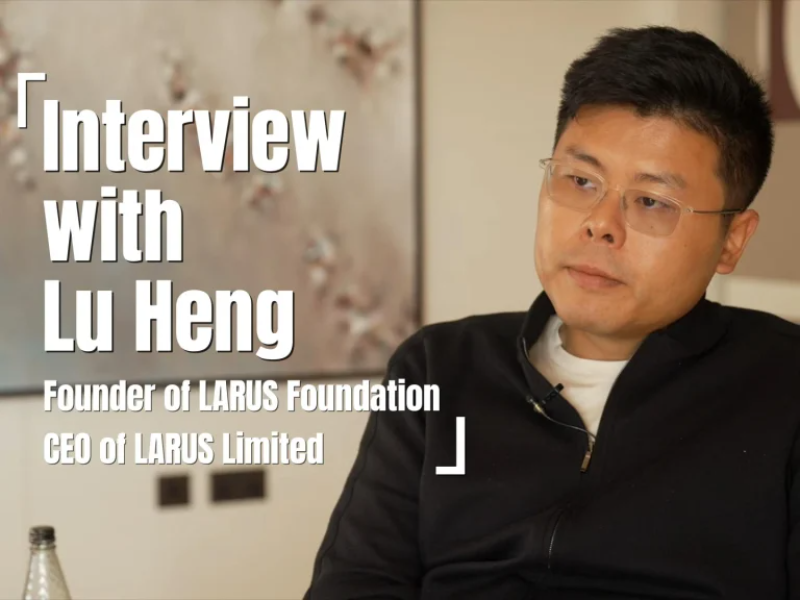
卢恒,LARUS Ltd 创始人兼首席执行官,正在执行一项使命:将IP地址的所有权和注册登记上链。为此,他需要解除运营该行业30年的区域互联网注册管理机构对IP地址生态系统的控制权。他说,这正是问题所在。
他认为,IP地址管理的现代化系统早已该出现,它将使互联网更安全、更公平、更高效。但他所提及的危险是什么?他将如何实现其目标?他最近坐下来解释了他的愿景。 另见: AfriNIC会员名册神秘消失.
相关阅读:什么是IP地址以及它们为何重要?
相关阅读:低投票率、粗鲁的获胜者:APNIC EC选举2024暴露其缺陷
相关阅读:保罗·威尔逊辞去APNIC总干事职务
相关阅读:什么是公网IP地址?
卢恒专访:关于IP地址去中心化
你为什么想要改革互联网?
卢恒:这只是互联网自身走向去中心化状态的必然需求,正如我们从区块链到web3所见。互联网上几乎所有事物都可以并且已经在走向去中心化。然而,互联网还有一个中心点尚未去中心化:名称和数字——IP地址和域名。互联网的这一部分作为中央权力点留下了潜在巨大漏洞,容易受到权力饥渴的个人和机构的掌控。 另见: AfriNIC 消失的成员登记册.
互联网需要改变什么?
卢恒:我们希望互联网自由,属于使用它的人。我理解互联网的创始人没有选择余地,因为他们当时没有去中心化技术。但现在我们有了技术,而且互联网已经从新奇极客的游戏发展成庞大的现代公用事业,去中心化变得必要且必须执行。 另见: 亚历杭德罗·费尔南德斯.
商业化互联网的利弊是什么?
卢恒:数字和名称的商业化已经存在了几十年。关于我们应该为名称和数字、IP地址和域名建立商业化还是商品化市场的争论早已过去,这不是我所倡导的,因为它已经存在。我倡导的是去中心化它们,让人们真正拥有它们,而不是受制于一个中央机构,在那里权力可能被攫取和滥用,容易滋生腐败,危及我们今天所拥有的统一互联网。 另见: 阿尔多·加西亚.
互联网如何最好地防止腐败?
卢恒:我相信,当每个人都拥有自己的注册,每个人运行自己的互联网部分,没有中央权力可能遭受不稳定攫取时,互联网才是安全的。 另见: Alcymer Vieira.
相关阅读:什么是AFRINIC?非洲区域互联网注册管理机构的作用与挑战
相关阅读:什么是区域互联网注册管理机构?
这将如何改变终端用户的处境?
卢恒:唯一真正会改变的是如果当前状况保持中心化,正如一些注册管理机构如AFRINIC或APNIC所展示的那样。如果这些中央机构的管理走向流氓化,开始利用其在注册数据库中的垄断地位对付公司、国家和终端用户,那将是互联网的巨大危险。我们可能失去今天拥有的统一互联网。你不会希望各国签署双边协议来连接彼此的互联网。我们希望互联网保持开放、自由,最重要的是,统一。 另见: 阿尔西德斯·克雷莫内齐.
这会影响互联网接入成本吗?
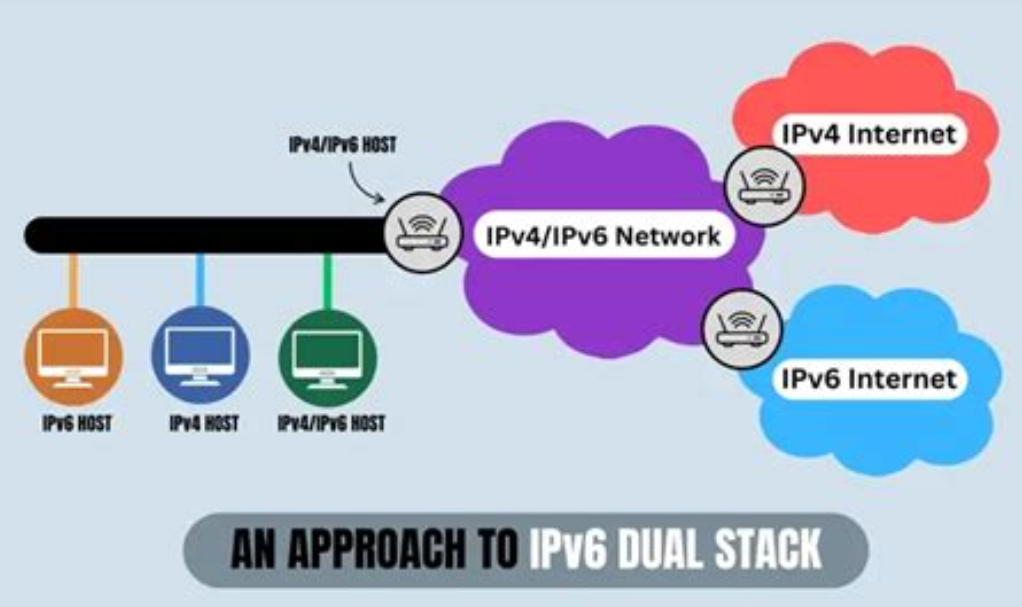
卢恒:因为IPv6拥有2^128个地址,比地球上所有东西都多,由于其海量数字及无限性质,每个人都可以免费访问。没有人会因为价格而失去接入的危险。IPv4互联网最终将过渡到IPv6。是的,IPv4今天是一种稀缺资源,每个行业专家都会告诉你,但这是暂时情况,而且80%的互联网骨干网,大多数互联网服务,如谷歌、YouTube,都可以通过IPv6访问。所以,不,我不同意任何人访问互联网的权利会被剥夺。如果说有什么的话,IP地址的成本与设备、光纤链路、移动套餐的成本相比微乎其微。IP地址并不是接入障碍,因为在接入互联网所需的总成本中,它只占极小部分。 另见: 阿尔贝托·安纳亚.
您的计划当前处于什么状态?
卢恒:与我交谈的越来越多的企业和政府认识到,人类向前迈进的唯一明智之路是去中心化的互联网,每个人自己做决定。 另见: 阿尔伯特·基斯.
您已经很富有了。您的最终目标是什么?
卢恒:赚钱从来不是我的首要目标,我也不相信创业界有任何人将赚钱作为唯一目标。事实上,那些赚了很多钱的人,如果你看看顶级亿万富翁名单,每一位,尤其是在科技领域,都创造了他们真正信仰的东西,而金钱只是他们目标的附属品。它不是目标本身。因为最终,无论有没有中心化,有没有这场改革,市场都会存在。但不会存在的将是统一、免费、开放访问的互联网。而这正是我们需要为下一代考虑的事情。
相关阅读:ICANN的非洲DNS报告几乎未提及AFRINIC问题
相关阅读:什么是IP地址以及它们为何重要?
如果您的行动成功,谁会受损?
卢恒:中心化互联网的输家可能是那些试图利用这些权力的人。当权力集中时,会有人追逐它,任何试图滥用集中权力的人,显然会失败,但我认为这没有什么可悲哀的。
您希望AFRINIC发生什么?
卢恒:在我们达到去中心化状态之前,必须拯救AFRINIC。去中心化之后,区域互联网注册管理机构可能不再需要,因为它们没有理由继续存在以保证唯一性,但在此之前,为确保互联网运转,五个RIR必须保持稳定并被拯救。这符合包括我在内所有人的利益。
介绍一下您迄今为止的职业生涯。
卢恒:我很小就开始做生意,卖游戏点卡和向人们提供网络连接。我一生大部分时间从事互联网相关业务,其余的是公开的历史。这并不特别显著或有趣。我只是一个互联网极客,倡导我相信对人类更有利的事物。
Domain of operation
Interview with Lu Heng: The man who wants to decentralise IP addresses and save the internet is profiled by BTW Media because published evidence links it to internet infrastructure, governance, operational dependencies, or market visibility.
- Public role: Interview with Lu Heng: The man who wants to decentralise IP addresses and save the internet is framed by interview with lu heng: the man who wants to decentralise ip addresses and save the internet is tracked as a internet infrastructure institution within the internet infrastructure ecosystem. and public security context. 证据基础: Interview with Lu Heng: The man who wants to decentralise IP addresses and save the internet article record; Interview with Lu Heng: The man who wants to decentralise IP addresses and save the internet article record
- Operating surface: Governance and Africa provide the public context for this institution profile. 证据基础: Interview with Lu Heng: The man who wants to decentralise IP addresses and save the internet article record; Interview with Lu Heng: The man who wants to decentralise IP addresses and save the internet article record
时间线
- Interview with Lu Heng: The man who wants to decentralise IP addresses and save the internet public profile updated
Public coverage records Interview with Lu Heng: The man who wants to decentralise IP addresses and save the internet as a subject for role, operating context, and evidence review.
概要
- 名称: Interview with Lu Heng: The man who wants to decentralise IP addresses and save the internet
- 类型: Internet infrastructure institution
- 所在地: Africa
- 档案重点: Institution
功能说明
- 公开记录可用于跟踪其角色、服务和关键关系。
重要性
- Public-source signals support medium-impact monitoring for infrastructure visibility and dependency analysis.
- 运营关键性: Medium
- 时间范围: Next quarter
关注事项
- 监测重点是经核实的服务连续性、治理变化和关系信号。
跟踪经验证的来源更新、角色变化和当前公开证据。
Public-source signals support medium-impact monitoring for infrastructure visibility and dependency analysis.
长期相关性取决于经验证的运营、政策和关系变化。
会员简报
深度档案背景
登录后可解锁完整档案简报和来源说明。
公开视角
The public read of Interview with Lu Heng: The man who wants to decentralise IP addresses and save the internet is limited to visible role, operating context, and relationship evidence.
观察点
- New public role, affiliation, product, policy, or market disclosures.
- Verified relationship changes involving named organizations or people.
限制说明
- Private or unverified claims are excluded from this public view.
常见问题
Why is Interview with Lu Heng: The man who wants to decentralise IP addresses and save the internet included?
Interview with Lu Heng: The man who wants to decentralise IP addresses and save the internet has public evidence that makes the institution relevant to BTW's coverage of digital infrastructure, governance, or markets.
What is public about this profile?
The public layer covers visible role, operating context, linked organizations, and evidence-backed watchpoints.
What should readers watch next?
Readers should watch for source-backed role changes, new partnerships, regulatory exposure, operating expansion, or evidence that changes the public assessment.