Mobile data in Europe to triple by 2028 and big tech should pay the bill is tracked as a internet infrastructure institution within the internet infrastructure ecosystem.
Mobile data in Europe to triple by 2028 and big tech should pay the bill has public-source relevance to network operations, governance, dependency mapping, or market structure.
Mobile data in Europe to triple by 2028 and big tech should pay the bill has public-source relevance to network operations, governance, dependency mapping, or market structure.
Mobile data in Europe to triple by 2028 and big tech should pay the bill is tracked as a internet infrastructure institution within the internet infrastructure ecosystem.
Public-source signals support medium-impact monitoring for infrastructure visibility and dependency analysis.
Public-source signals support medium-impact monitoring for infrastructure visibility and dependency analysis.
| 0.90–1.00 | A | High — direct sources |
| 0.75–0.89 | A/B | Strong |
| 0.55–0.74 | B/C | Medium |
| 0.35–0.54 | C/D | Weak–medium |
| 0.10–0.34 | D | Weak signal |
| 0.00–0.09 | D | Internal monitoring |
Several public sources
- D'ici 2028, le trafic de données mobiles par smartphone en Europe de l'Ouest passera de 9 EB par mois actuellement à 22 EB.
- Cette mise à niveau nécessite environ 198 milliards d'euros (216 milliards de dollars) d'investissement, qui devraient être supportés par les géants de la tech.
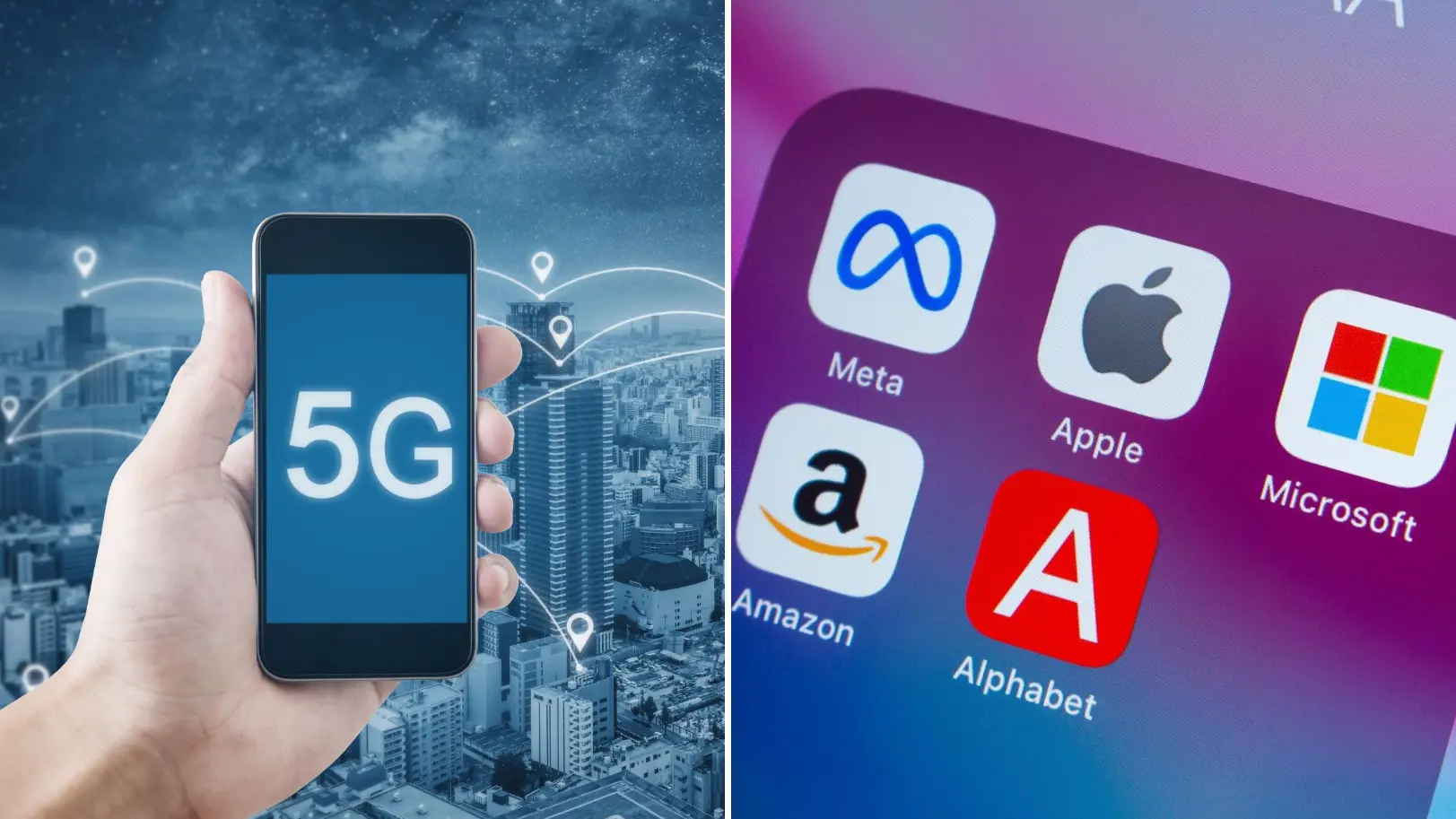
Une étude de la GSMA, un groupe industriel des télécommunications, a révélé que l'adoption de la 5G entraînera une augmentation massive du trafic de données mobiles en Europe d'ici 2028. Cette augmentation sera alimentée par les grandes plateformes technologiques telles que Netflix, Meta, Google et Amazon, et nous estimons qu'il n'est que justice qu'elles en assument les coûts. Voir aussi: Ziggo Group nomme ses dirigeants avant l'introduction en Bourse à Amsterdam en 2027.
Tendances à la hausse des télécoms selon la GSMA
D'ici 2028, la GSMA a déclaré que le trafic de données mobiles en Europe atteindra le double des niveaux actuels. Selon un rapport, le trafic de données mobiles par smartphone en Europe de l'Ouest passera de 9 EB par mois actuellement à 22 EB. Cette tendance à la hausse remarquable implique que les réseaux de communication mobiles en Europe supporteront une charge plus importante, offrant des services de transmission de données plus rapides et plus étendus aux utilisateurs.
Lire aussi: Mastodon découvre une sous-estimation de son nombre d'utilisateurs mensuels de plus de 407 000

Investissements nécessaires pour la vague à venir
Mais cela ne sera pas bon marché. Selon Reuters, les entreprises de télécommunications pourraient devoir investir environ 198 milliards d'euros (216 milliards de dollars) dans la modernisation des réseaux d'ici 2030 pour répondre à la demande toujours croissante de connectivité. Cette initiative vise à améliorer les performances du réseau, à mieux servir les utilisateurs et à s'adapter aux défis à venir de la numérisation.
Les coûts associés à ces mises à niveau devraient naturellement incomber aux géants de la tech tels que Meta, Alphabet, Netflix et Amazon. Ces grandes entreprises technologiques sont considérées comme occupant une part importante du trafic Internet, il est donc juste qu'elles assument une part significative des dépenses de modernisation de l'infrastructure réseau. Après tout, ces entreprises technologiques bénéficieront directement d'un réseau plus robuste et plus efficace. Voir aussi: Alejandro Estua.
Pour l'instant, les législateurs de l'Union européenne n'ont pas pris de décision finale concernant cette demande. Espérons qu'ils le fassent bientôt. Voir aussi: Alejandro Manzo.
L'augmentation du trafic de données mobiles en Europe est motivée par plusieurs facteurs clés, notamment la transition des réseaux 4G vers la 5G, la demande de jeux de haute qualité, de réalité augmentée et de contenu vidéo, ainsi que la prévalence croissante de la technologie 5G. Voir aussi: Alejandro Hernandez.
Selon le site officiel de la GSMA, redéfinir le paysage de l'écosystème mobile européen implique une réévaluation du plan des réseaux de télécommunications pour répondre aux demandes en constante évolution de connectivité et de données. Cela implique également de raviver l'intérêt pour la connectivité par satellite, d'explorer le potentiel transformateur de l'intelligence artificielle générative, d'adopter une transition vers des pratiques circulaires et de saisir les perspectives florissantes dans le domaine de la technologie financière.
Domain of operation
Mobile data in Europe to triple by 2028 and big tech should pay the bill is profiled by BTW Media because published evidence links it to internet infrastructure, governance, operational dependencies, or market visibility.
- Public role: Mobile data in Europe to triple by 2028 and big tech should pay the bill is framed by mobile data in europe to triple by 2028 and big tech should pay the bill is tracked as a internet infrastructure institution within the internet infrastructure ecosystem. and public technology context. Evidence basis: Mobile data in Europe to triple by 2028 and big tech should pay the bill article record; Mobile data in Europe to triple by 2028 and big tech should pay the bill article record
- Operating surface: Market and Asia Pacific provide the public context for this institution profile. Evidence basis: Mobile data in Europe to triple by 2028 and big tech should pay the bill article record; Mobile data in Europe to triple by 2028 and big tech should pay the bill article record
Timeline
- Mobile data in Europe to triple by 2028 and big tech should pay the bill public profile updated
Public coverage records Mobile data in Europe to triple by 2028 and big tech should pay the bill as a subject for role, operating context, and evidence review.
At A Glance
- Name: Mobile data in Europe to triple by 2028 and big tech should pay the bill
- Type: Internet infrastructure institution
- Base: Asia Pacific
- Profile focus: Institution
What It Does
- Public records support monitoring of its role, services, and key relationships.
Why It Matters
- Public-source signals support medium-impact monitoring for infrastructure visibility and dependency analysis.
- Operational criticality: Medium
- Time horizon: Next quarter
What To Watch
- Monitoring focuses on verified service continuity, governance changes, and relationship signals.
Track verified source updates, role changes, and current public evidence.
Public-source signals support medium-impact monitoring for infrastructure visibility and dependency analysis.
Longer-term relevance depends on verified operating, policy, and relationship changes.
Member Briefing
Deeper Profile Context
Login is required to unlock the full profile briefing and source notes.
Only for Strategy Circle
Strategic Circle Access
Open to all readers. Unlock profile briefings after joining and logging in.
Join Strategic CircleOnly for Leadership Alliance
Leadership Alliance Access
For owners and management of IP-holding companies. Login required to unlock.
Join Leadership AlliancePublic View
The public read of Mobile data in Europe to triple by 2028 and big tech should pay the bill is limited to visible role, operating context, and relationship evidence.
Watchpoints
- New public role, affiliation, product, policy, or market disclosures.
- Verified relationship changes involving named organizations or people.
Caveats
- Private or unverified claims are excluded from this public view.
FAQ
Why is Mobile data in Europe to triple by 2028 and big tech should pay the bill included?
Mobile data in Europe to triple by 2028 and big tech should pay the bill has public evidence that makes the institution relevant to BTW's coverage of digital infrastructure, governance, or markets.
What is public about this profile?
The public layer covers visible role, operating context, linked organizations, and evidence-backed watchpoints.
What should readers watch next?
Readers should watch for source-backed role changes, new partnerships, regulatory exposure, operating expansion, or evidence that changes the public assessment.