
Cross-jurisdiction governance and policy interface.

Governance / ICANN
ICANN Intelligence Briefing Profile
Coverage of ICANN policy decisions, domain name governance, WHOIS/RDAP developments, and DNS ecosystem changes.
GlobalDNS GovernanceAccountability
Institution design, policy process, and accountability trust.
Multi-stakeholder legitimacy and process clarity.
Structural policy changes usually materialize in 120d+ cycles.
Member Unlock
Restricted Profile Intelligence
Login is required to unlock full profile briefings and deep-dive sections.
Strategic Circle Access
Open to all readers. Unlock profile briefings after joining and logging in.
Join Strategic CircleLeadership Alliance Access
For owners and management of IP-holding companies. Login required to unlock.
Join Leadership AllianceBasic Profile
- Entity: Internet Corporation for Assigned Names and Numbers
- Role: Global DNS and identifier coordination body
- Core Function: Policy and operational coordination framework
- Model: Multi-stakeholder governance process
Strategic Functions
- Root zone and naming system governance oversight
- Policy forums across multiple stakeholder constituencies
- Accountability review and institutional process controls
- Cross-community consensus and implementation coordination
Current Risk Briefing
- Process complexity can dilute operational clarity
- Stakeholder asymmetry may shift decision influence
- Slow reform cycles can reduce response to market pace
- Governance opacity can weaken coordination confidence
Decision Use
- Incorporate DNS governance timing into risk planning
- Track process transparency for trust and compliance posture
- Map policy trajectory to infrastructure investment windows
- Use governance indicators to stress-test continuity scenarios
Latest Coverage
ICANN Headlines
What does ‘IP is capital’ really mean for internet addressing?
Organisations treat IP addresses as strategic assets, managing IPv4 and IPv6 to prevent conflicts and outages across networks.
IP address markets emerge as a new digital asset class
Exploring how IPv4 scarcity drives global markets, turning IP address blocks into tradable digital assets with rising valuations.
AFRINIC governance under scrutiny as community ownership claims are questioned
AFRINIC faces governance scrutiny as critics question whether community ownership truly reflects broad participation.
Archive
ICANN Article Archive
769 articles

Governance
What does ‘IP is capital’ really mean for internet addressing?
Organisations treat IP addresses as strategic assets, managing IPv4 and IPv6 to prevent conflicts and outages across networks.

Governance
IP address markets emerge as a new digital asset class
Exploring how IPv4 scarcity drives global markets, turning IP address blocks into tradable digital assets with rising valuations.

Governance
AFRINIC governance under scrutiny as community ownership claims are questioned
AFRINIC faces governance scrutiny as critics question whether community ownership truly reflects broad participation.

Governance
Debate over decentralising global IP address registration
Proposal explores using distributed ledgers to decentralise global IP address registration, raising governance and regulatory questions.

Governance
Bottom-up power is essential in ICP-2 revision, insists Lu Heng
Lu Heng explains why ICP-2 revision must preserve bottom-up governance to ensure RIR accountability and resist centralised control.
Governance
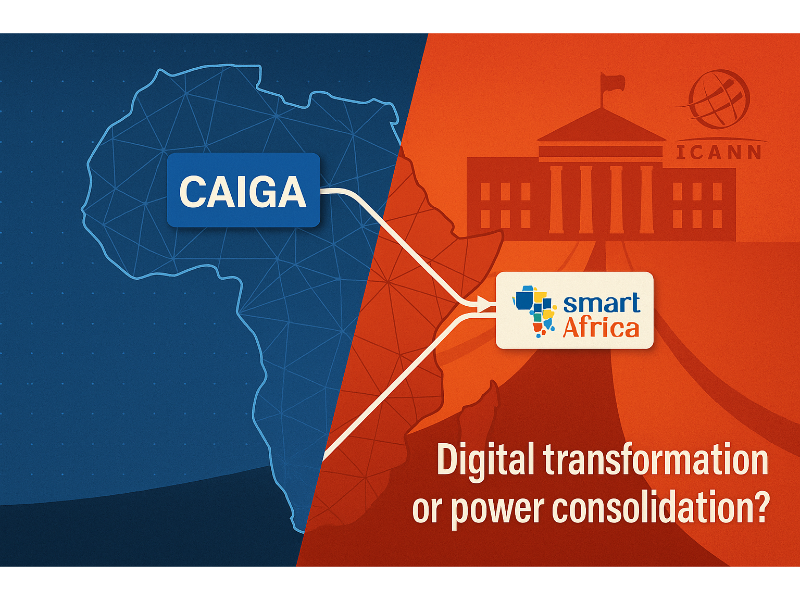
How CAIGA fits into Smart Africa’s digital transformation agenda
Critics warn CAIGA is less about digital transformation and more about political control, raising concerns over Smart Africa and ICANN’s role.
Governance
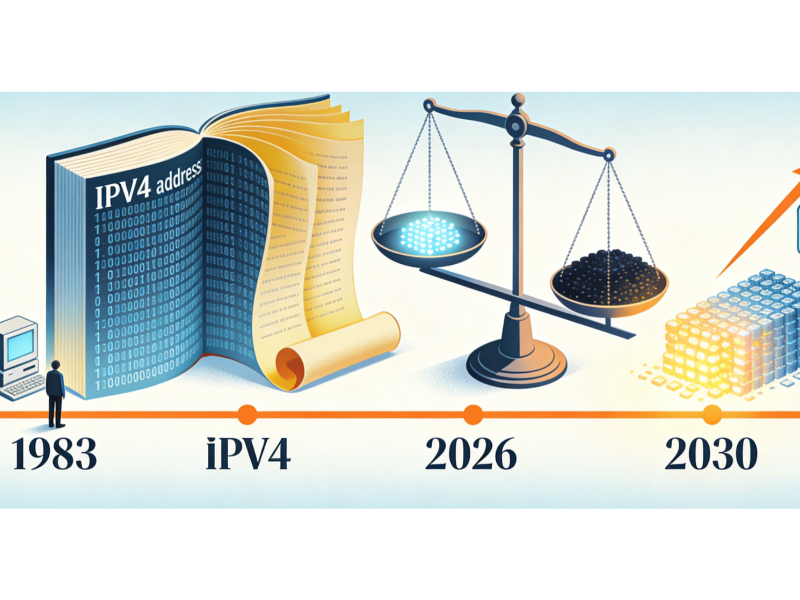
IPv4: The digital real estate of the 21st century
IPv4 addresses have become scarce digital assets with rising market value due to limited supply, slow IPv6 adoption and secondary trading.
Governance
Why IPv4 scarcity highlights wealth, value and capital in the digital era
How IPv4 scarcity and structural constraints shape its economic value and capital debate in the digital age.
Governance
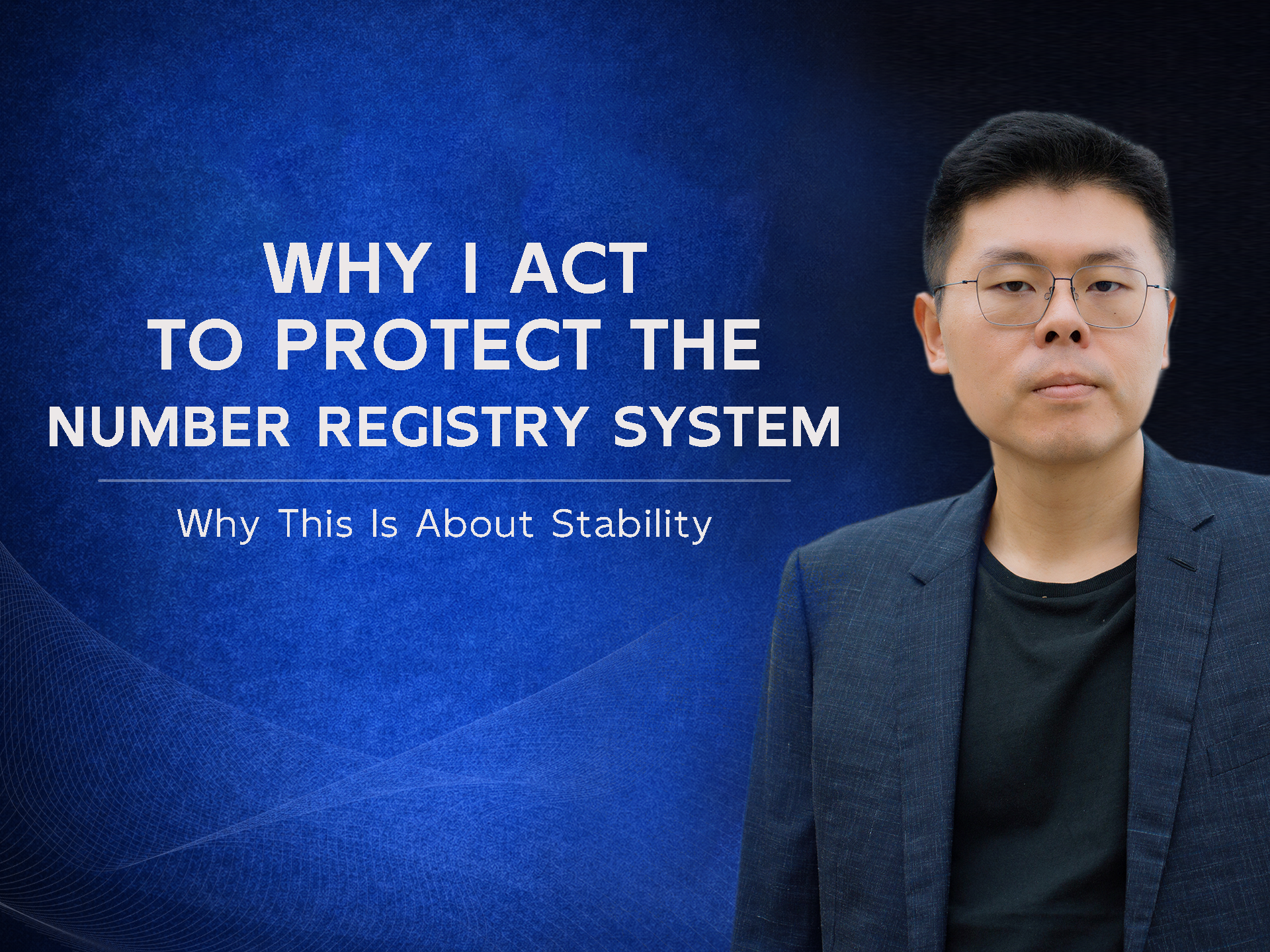
Why protecting the number registry system has become a question of stability
An analysis of why disputes over IP address governance have become a test of stability for the global number registry system.
Governance
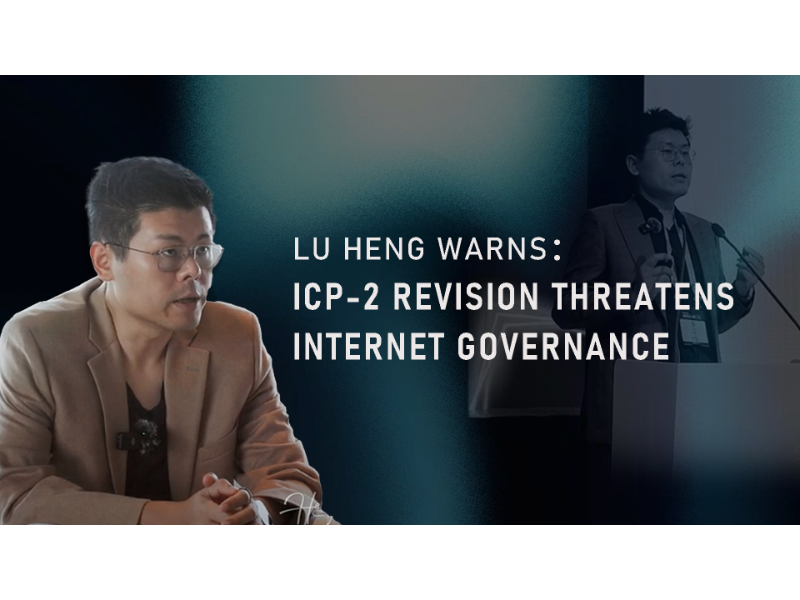
Lu Heng warns ICP-2 revision threatens internet governance
Lu Heng argues the ICP-2 revision centralises power over Internet number governance, risking voluntary cooperation and systemic fragility.

Governance
Why IP is capital in the modern internet economy
IP address scarcity has turned IPv4 into a valuable asset, reshaping governance, costs and the future of internet infrastructure.

Governance
Why IPv4 Scarcity transforms IPs into Investable Assets
As IPv4 supply runs out, IP addresses gain asset value, creating secondary markets and new financial considerations for network operators.

Governance
Understanding IP addresses and why they are important
Discover what IP addresses are, the difference between IPv4 and IPv6, and their importance in internet communication.

Governance
Why most ISPs miss Massive Revenue Opportunities from IPv4
Exploring structural, policy and organisational barriers that prevent ISPs from capturing IPv4 revenue opportunities.
Governance
Regional control under strain as iwantmyname’s growth reflects rising global influence in the domain industry
As iwantmyname expands under global ownership, questions arise about preserving regional autonomy in domain registration and digital control.

Governance
Why RIRs don’t have power to enforce internet address policies
RIRs play a key role in IP address allocation but lack enforcement power, raising governance questions amid disputes like the AFRINIC case.

Governance
Why IPv4 prices keep rising even as IPv6 adoption gathers pace
IPv4 address prices continue rising even with IPv6 growth, reflecting scarcity, market demand and digital capital dynamics.

Governance
Historic price trends of the /24 IPv4 block reveal market maturity and volatility
Historic price trends of the /24 IPv4 block show peaks around 2021 then moderation as supply and leasing reshape the market.

Governance
IPv4 lease VS IPv4 purchase: which is better for enterprises?
Enterprises weigh IPv4 leasing against purchasing as scarcity turns IP addresses into strategic digital assets in 2026.
Governance
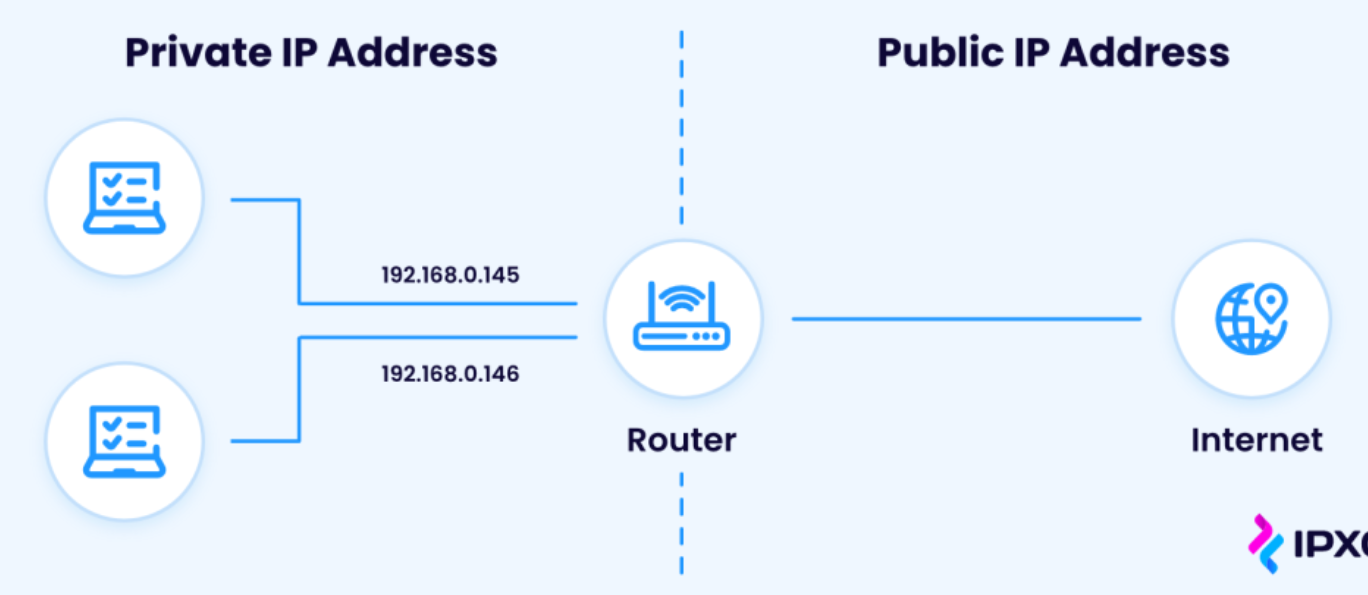
How CFOs Should Evaluate IPv4 Assets: A Fact-Based Analysis
CFOs must rethink IPv4 addresses as digital capital, balancing valuation, leasing income and long-term transition risk.